
Common Pregnancy aches & pains
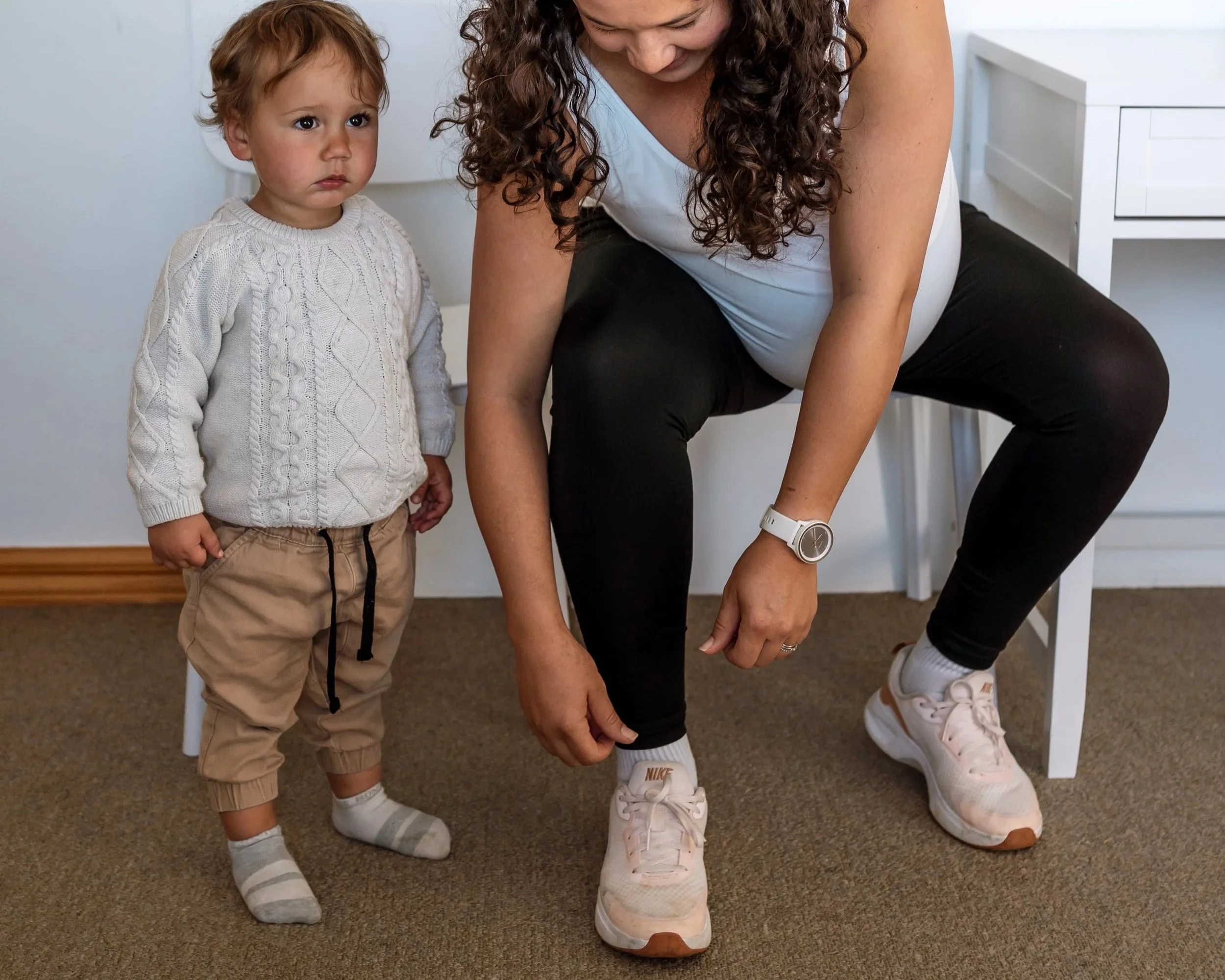
When Pregnancy Pain Makes Everyday Life Harder
From getting dressed and turning over in bed to walking, exercising and simply finding a comfortable position, pregnancy aches and pains can make everyday things surprisingly difficult.
Pregnancy brings huge changes to your body, and aches and pains can sometimes make everyday activities surprisingly difficult. You don't have to simply put up with it. Sarah provides personalised osteopathic care to help you move more comfortably, stay active and get back to doing the things that matter to you.
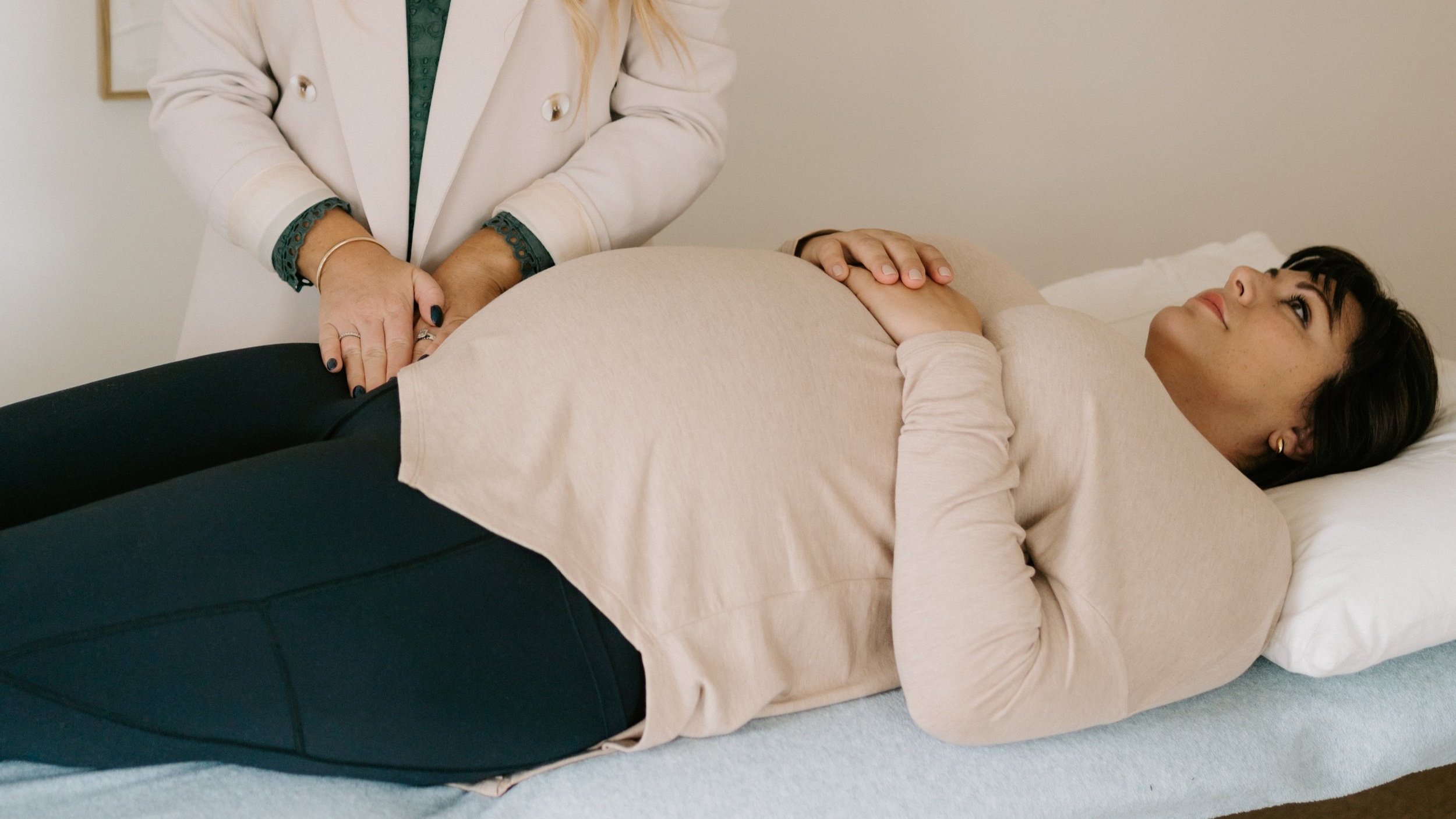
Pelvic pain & SPD in pregnancy
Walking, getting in and out of the car, climbing stairs, turning over in bed, getting dressed or putting on your shoes can all become uncomfortable when you're experiencing pelvic pain during pregnancy.

Rib pain in pregnancy
Sitting comfortably, taking a deep breath, exercising, reaching, twisting or finding a comfortable position in bed can all become difficult when you're experiencing rib pain during pregnancy.
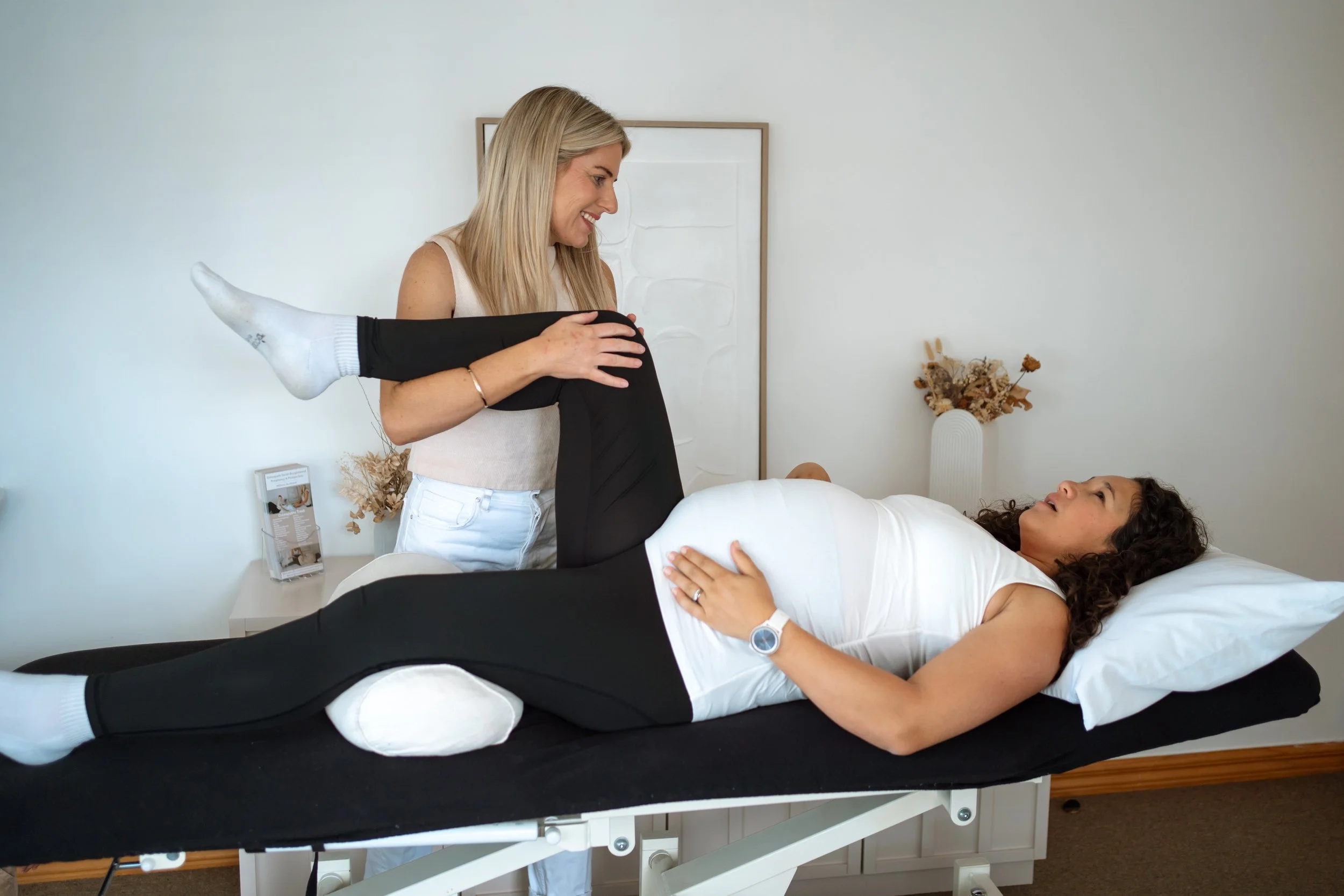
Hip pain in pregnancy
Walking, climbing stairs, getting dressed, getting in and out of the car or finding a comfortable position in bed can all become uncomfortable when you're experiencing hip pain during pregnancy.

Lower back pain in pregnancy
Walking, standing for long periods, getting dressed, exercising, getting in and out of the car or turning over in bed can all become uncomfortable when you're experiencing lower back pain during pregnancy.

Headaches & Migraines in pregnancy
Working, concentrating, exercising, sleeping or simply getting through the day can all become more difficult when you're experiencing headaches or migraines during pregnancy.

Sciatica pain in pregnancy
Walking, standing, sitting for long periods, getting in and out of the car, sleeping or moving around comfortably can all become difficult when you're experiencing sciatica during pregnancy.

Carpal Tunnel Syndrome (CTS) in pregnancy
Sleeping, typing, driving, gripping things, getting dressed or carrying everyday items can all become more difficult when you're experiencing carpal tunnel syndrome during pregnancy.
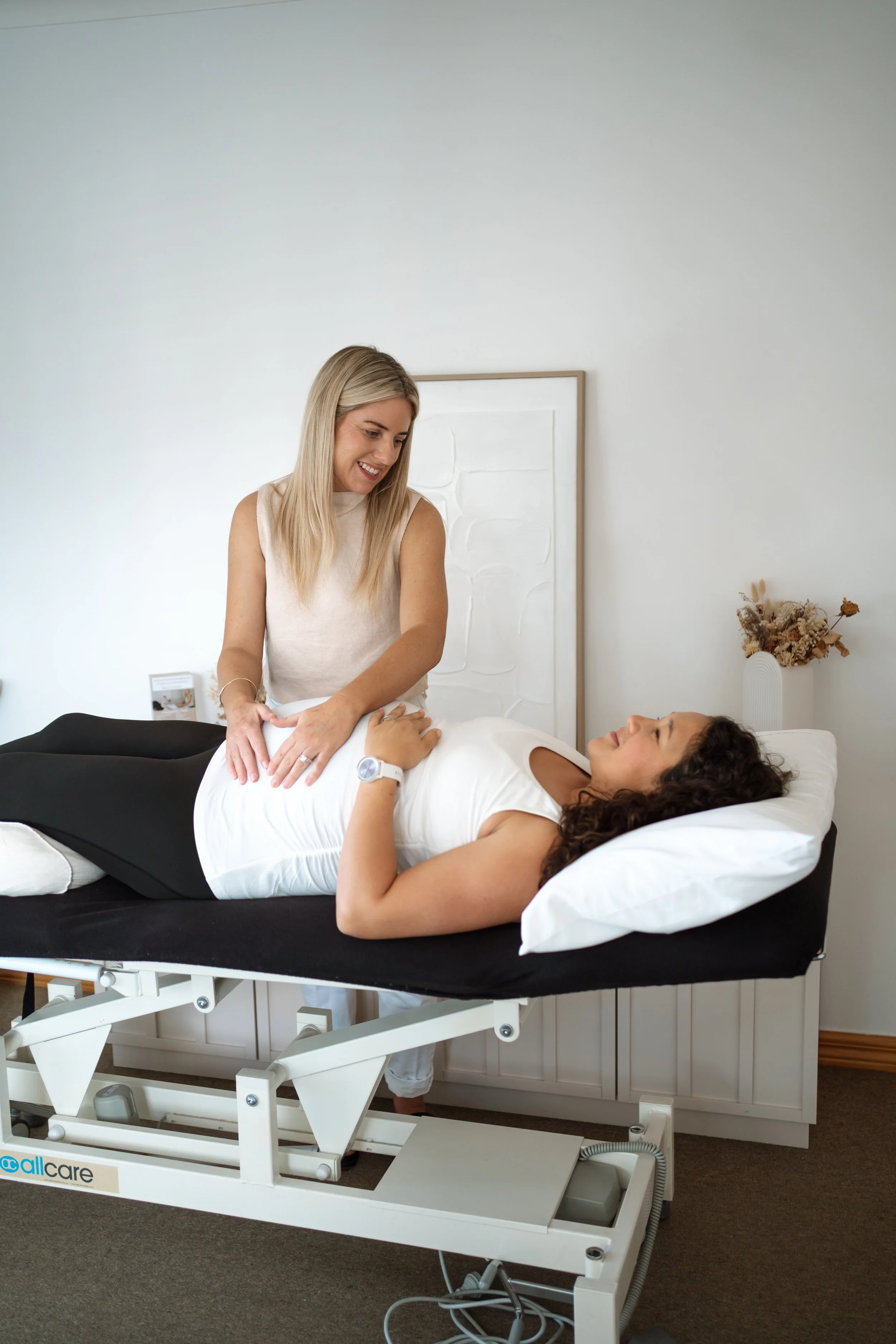
Round ligament in pregnancy
Walking, standing up quickly, turning over in bed, getting in and out of the car or changing position can all become uncomfortable when you're experiencing round ligament pain during pregnancy.

Restless leg syndrome in pregnancy
Relaxing, sitting still, settling down at night or getting a good night's sleep can all become difficult when you're experiencing restless legs syndrome during pregnancy.

Tailbone pain in pregnancy
Sitting for long periods, getting up from a chair, driving, leaning backwards or finding a comfortable position in bed can all become uncomfortable when you're experiencing tailbone pain during pregnancy.
Reflux/GERD in pregnancy
Eating, relaxing after meals, bending over, lying down or getting a good night's sleep can all become more difficult when you're experiencing reflux during pregnancy.
Constipation in pregnancy
Eating comfortably, exercising, going about your day or simply feeling comfortable can all become more difficult when you're experiencing constipation during pregnancy.

Sacroiliac (SIJ) pain in pregnancy
Walking, climbing stairs, standing on one leg, getting in and out of the car, turning over in bed or getting up from a chair can all become uncomfortable when you're experiencing SIJ pain during pregnancy.

Sleeping issues in pregnancy
Getting comfortable in bed, turning over, settling at night or getting a good night's sleep can all become more difficult when you're experiencing pain or discomfort during pregnancy.

Shoulder pain in pregnancy
Getting dressed, reaching overhead, exercising, carrying things or finding a comfortable position in bed can all become uncomfortable when you're experiencing shoulder pain during pregnancy.
How can a pregnancy osteopath help?
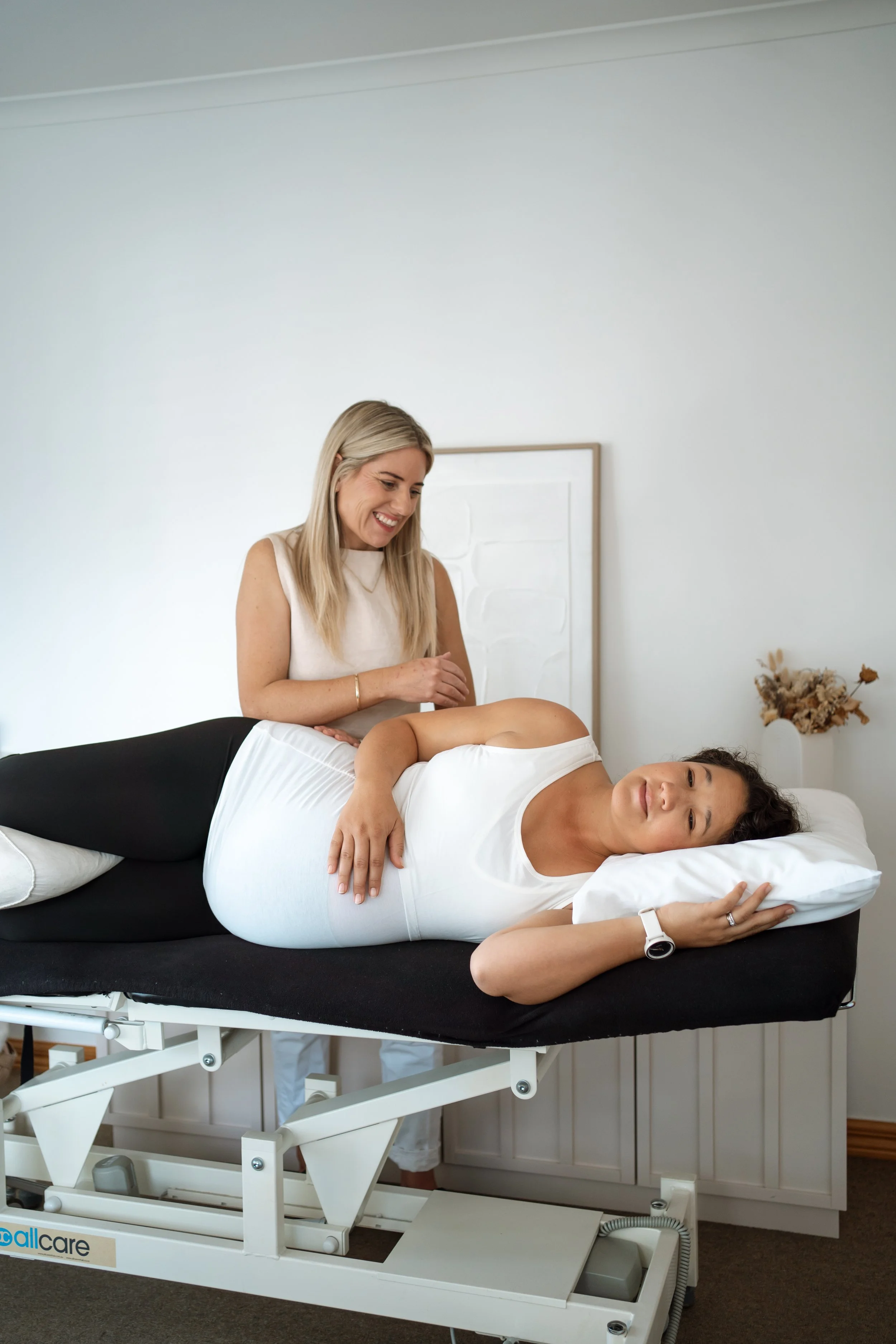
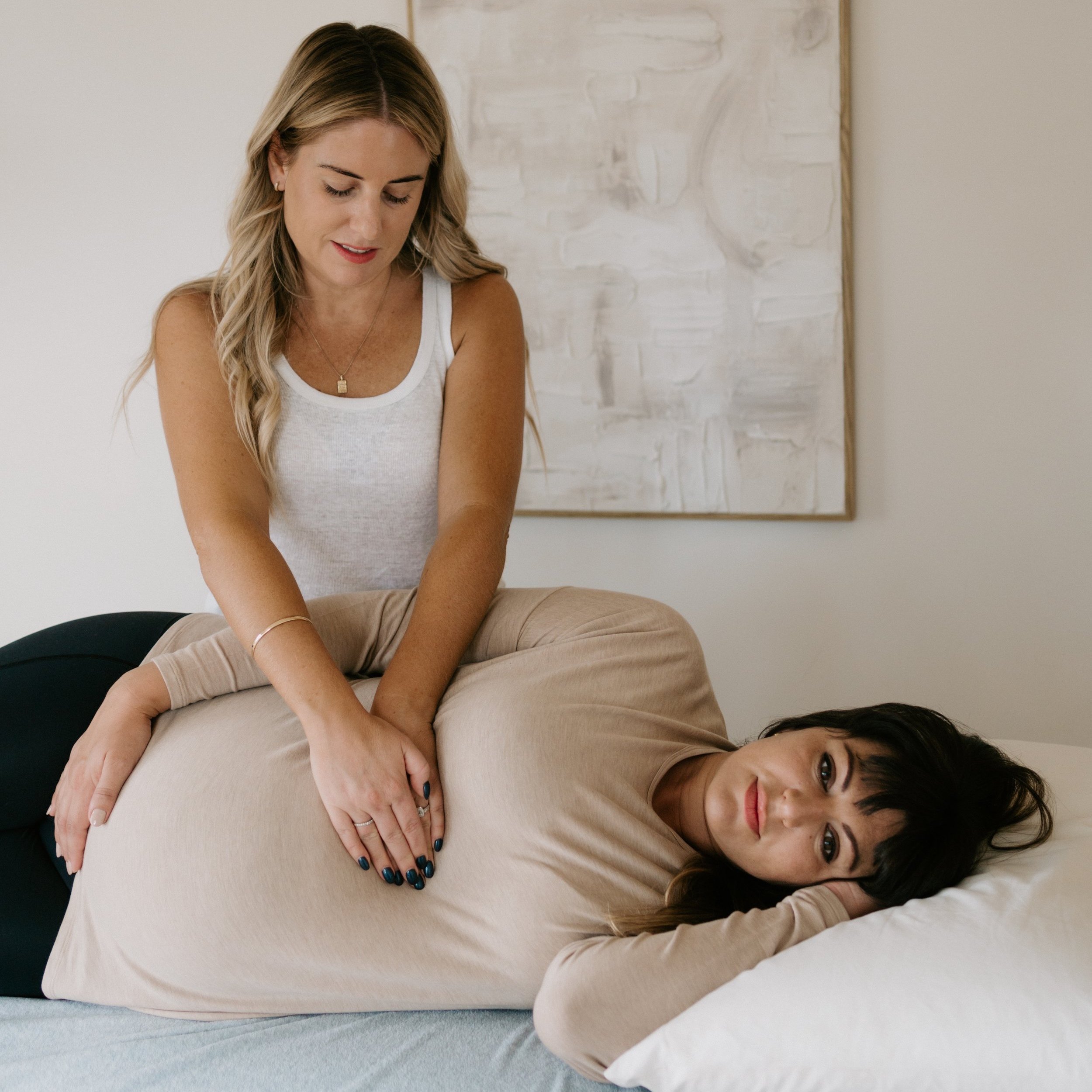
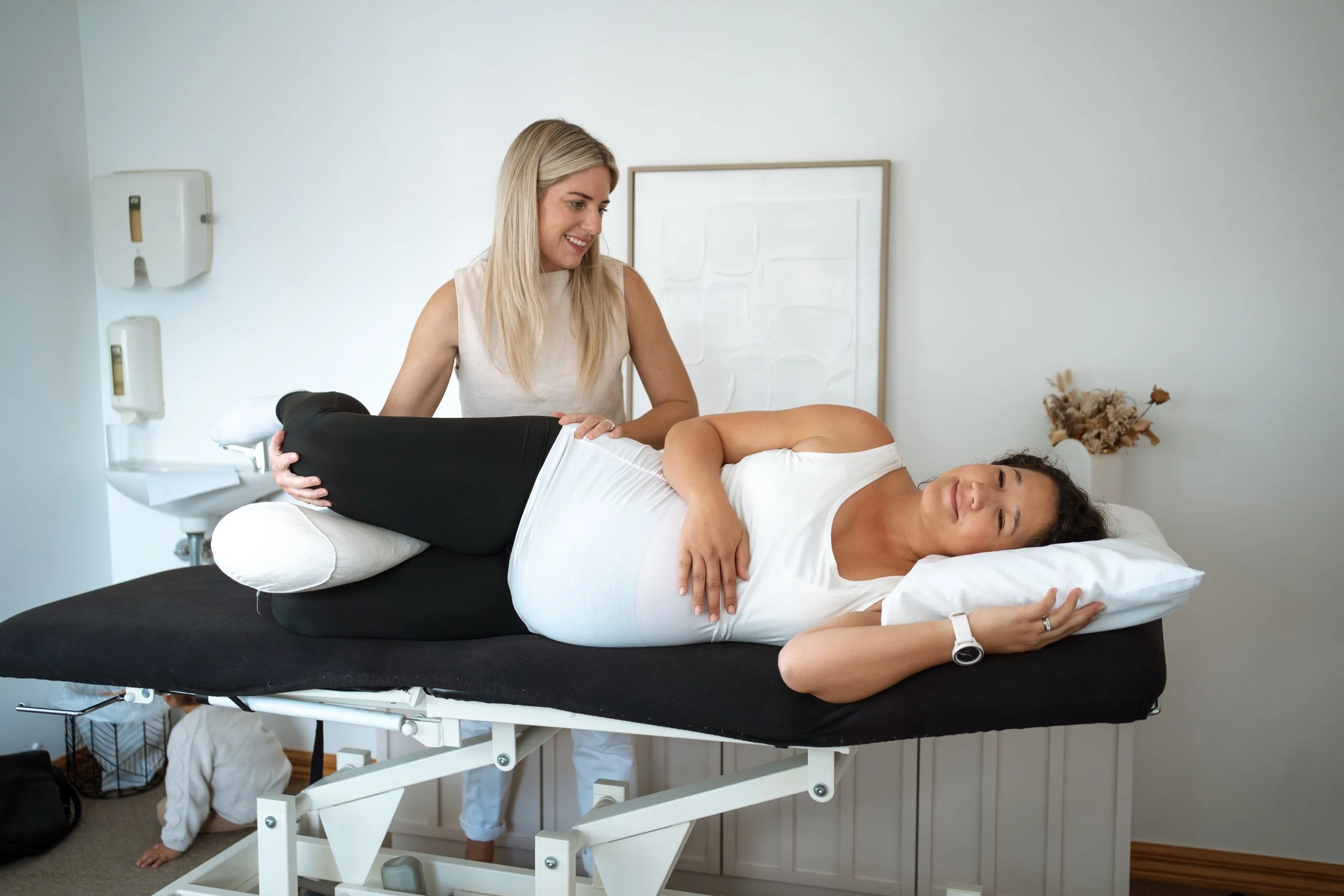
Pregnancy osteopathic treatment is tailored to you, your symptoms and your stage of pregnancy. I'll take the time to understand what's bothering you, assess how you're moving and identify areas that may be contributing to your discomfort.
Treatment may include gentle hands-on techniques, soft tissue work, joint mobilisation, stretching or other appropriate techniques, alongside practical advice to help you manage your symptoms between appointments.
The goal isn't simply to treat where it hurts. It's to help you move more comfortably and get back to the things that matter to you.