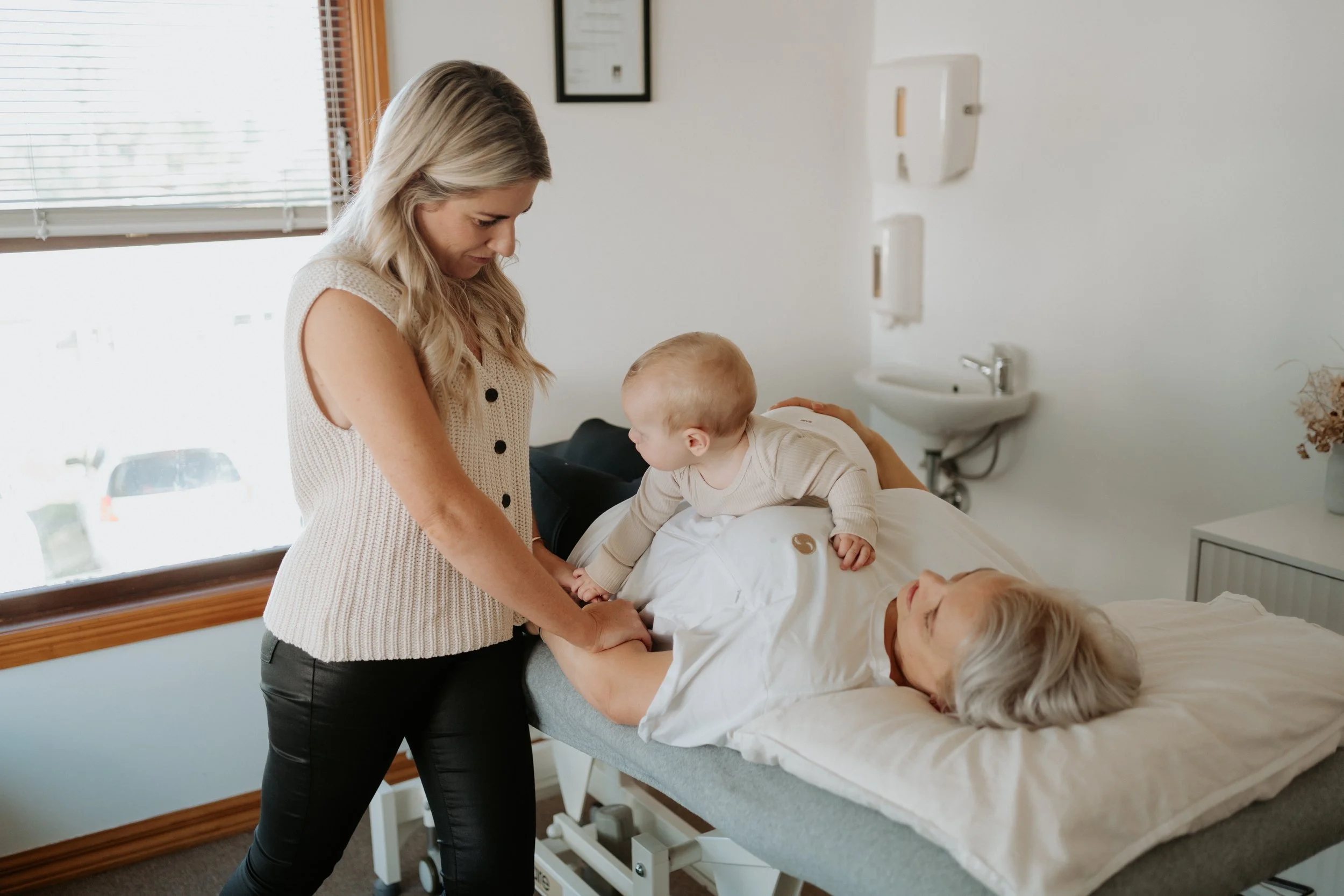

You reach for the kettle and feel a sharp pain along the outside of your elbow. Later, carrying your shopping bags causes the same discomfort. By the time you sit down to work, even using your computer mouse is irritating it. Perhaps you've noticed pain on the inside of your elbow after the gym, or your arm aches when you pick up your child. It's surprising how much an irritated elbow can interfere with everyday life. And the most frustrating part? You don't have to play tennis or golf to develop tennis elbow or golfer's elbow. Elbow pain affects people of all ages, from active children and teenagers to adults who work at computers, tradespeople, parents, gym-goers and older adults. While some elbow injuries develop suddenly, many begin gradually. What starts as a mild ache can become increasingly noticeable during ordinary activities. The good news is that many common elbow conditions respond well to appropriate activity modification and rehabilitation.
Elbow pain making gripping, lifting or exercising uncomfortable?
Whether it's tennis elbow, golfer's elbow or an injury that isn't settling, Sarah provides individualised osteopathic assessment and care in Milford, Auckland.
Book an Appointment
The Everyday Signs Your Elbow Might Need Attention
Elbow problems don't always begin with a dramatic injury. Sometimes the first sign is a task that suddenly feels harder than it should.
You may have noticed:
A sharp pain when lifting the kettle or pouring a drink
Aching along the outside of your elbow when gripping
Pain on the inside of your elbow after weight training
Discomfort when shaking someone's hand
Pain when twisting a screwdriver or opening a jar
Difficulty carrying shopping bags
A pulling sensation when straightening your arm
Elbow pain during push-ups, pull-ups or lifting weights
Tingling in your ring or little finger
Stiffness after keeping your elbow bent for a long time
Swelling or tenderness following a fall
Some people describe their elbow pain as burning or throbbing. Others notice a very specific sharp spot that hurts when pressed or when they use their forearm muscles. The location, timing and behaviour of your symptoms can help identify what might be happening. If elbow pain is already interfering with your work, sport or everyday activities, you don't need to wait until it becomes severe to have it assessed.
Book an Elbow Pain Appointment with Sarah
Is Your Pain on the Inside or Outside of Your Elbow?
This is often a useful place to start.
Outside of the Elbow: Could It Be Tennis Elbow?
Tennis elbow, also called lateral elbow tendinopathy or lateral epicondylitis, is a common cause of pain on the outside of the elbow. It involves the tendons that help control your wrist and fingers, particularly during gripping and lifting. Despite the name, most people with tennis elbow don't necessarily play tennis. You might develop symptoms from gardening, manual work, repetitive gripping, gym training or other activities that place repeated demands on your forearm.
Typical tennis elbow symptoms include:
Tenderness on the outside of your elbow
Pain when lifting a kettle or coffee cup
Discomfort when gripping or shaking hands
Pain when using tools
Aching when carrying bags
Pain when lifting with your palm facing down
Reduced grip strength because gripping hurts
Tennis elbow can develop gradually and sometimes persists for months. However, persistent pain doesn't automatically mean your tendon is permanently damaged. Appropriate progressive strengthening and adjustments to aggravating activities can help improve tendon capacity over time.
Inside of the Elbow: Could It Be Golfer's Elbow?
Golfer's elbow, also called medial elbow tendinopathy or medial epicondylitis, causes pain around the inner side of your elbow. It involves tendons associated with gripping and wrist flexion. You don't need to play golf to experience it. People who lift weights, perform manual work, climb, garden or repeatedly grip objects can develop similar symptoms.
You may notice:
Pain on the inside of your elbow
Tenderness when pressing the area
Discomfort during pull-ups or weight training
Pain when gripping or carrying objects
Aching when twisting or using tools
Pain during certain wrist movements
Although tennis elbow and golfer's elbow affect different areas, both commonly involve tendons becoming sensitive to the demands placed on them.
What If the Pain Isn't Tennis Elbow or Golfer's Elbow?
Not all elbow pain comes from tendons. Several other conditions can cause discomfort around the joint.
Cubital Tunnel Syndrome: Tingling in Your Little Finger
Have you ever woken with tingling in your ring and little fingers? Or noticed pins and needles when you've been leaning on your elbow or holding your phone for a long time? The ulnar nerve passes around the inside of your elbow through an area called the cubital tunnel.
If this nerve becomes irritated or compressed, you may experience:
Tingling in your little finger and part of your ring finger
Numbness after sleeping with your elbow bent
Symptoms when leaning on your elbow
Discomfort around the inside of your elbow
Reduced hand strength in more advanced cases
Persistent numbness, hand weakness or loss of coordination should be assessed promptly.
Olecranon Bursitis: Swelling at the Back of the Elbow
A bursa is a small fluid-filled sac that helps reduce friction around certain joints. The olecranon bursa sits over the bony point at the back of your elbow. When it becomes inflamed, you may notice a soft swelling over the tip of your elbow. This can occur following prolonged pressure, an impact or other causes. A hot, red, increasingly painful swelling, particularly with fever, requires urgent medical assessment because infection is possible.
Elbow Sprains and Ligament Injuries
A sudden fall, awkward landing or sporting injury can damage the ligaments supporting your elbow. You may notice immediate pain, swelling, bruising or difficulty moving your arm. Significant injuries need medical assessment to exclude fractures, dislocations or major ligament damage.
Elbow Osteoarthritis
Osteoarthritis can affect the elbow, although it's less common than osteoarthritis in the knee or hip. Symptoms may include stiffness, aching, reduced movement or discomfort at the end of bending and straightening.
Distal Biceps Tendon Injury
The distal biceps tendon attaches near the front of your elbow. An injury may cause pain in the front of the elbow, particularly during lifting or turning your palm upwards. A sudden pop, bruising or significant weakness after lifting can indicate a tendon tear and needs prompt medical assessment.
Elbow Pain in Children and Teenagers
Children may develop elbow pain following falls, sports injuries or repetitive throwing activities. Growing bones and growth plates require particular consideration. For example, young throwing athletes may develop pain around the inner elbow associated with repeated loading. Children who refuse to use an arm after an injury, have swelling or experience persistent elbow pain should be medically assessed.
Why Does My Elbow Hurt When I Do Certain Things?
One of the best ways to understand elbow pain is to look at the activities that bring it on.
"Why Does My Elbow Hurt When I Lift a Kettle?"
Lifting a kettle requires gripping while your forearm muscles stabilise your wrist. This can aggravate tennis elbow, particularly when the kettle is full and you're lifting with your palm facing down.
"Why Does My Elbow Hurt When I Grip Something?"
Your forearm muscles and tendons work together to control your wrist and fingers during gripping. If these tendons are sensitive, gripping may cause pain around the inside or outside of your elbow.
"Why Does My Elbow Hurt When I Straighten My Arm?"
Pain when straightening your elbow may be associated with tendon irritation, joint stiffness, swelling or an injury. If your elbow suddenly becomes unable to straighten after trauma, seek medical assessment.
"Why Does My Elbow Hurt When Lifting Weights?"
Bench presses, biceps curls, pull-ups, rows and other gym exercises place different demands on the muscles and tendons around your elbow. Perhaps you've recently increased your weights, changed your programme or returned to training after a break. A sudden increase in training load can sometimes exceed what your tendons are currently accustomed to.
"Why Does My Elbow Hurt When I Use a Computer Mouse?"
Some people notice discomfort around the elbow or forearm after prolonged computer work. This may be associated with sustained muscle activity, gripping the mouse or an existing sensitive tendon. Computer use isn't automatically harmful, but changing tasks and taking regular movement breaks may help manage symptoms.
"Why Does My Elbow Hurt When I Sleep?"
Sleeping with your elbow bent for prolonged periods may aggravate cubital tunnel symptoms. You might wake with tingling in your ring and little fingers or discomfort around your elbow.
"Why Does My Elbow Hurt When I Carry Shopping Bags?"
Carrying bags requires sustained gripping and forearm muscle activity. If your elbow tendons are sensitive, this may cause pain even when the bag doesn't feel particularly heavy.
"Why Does My Elbow Hurt When Gardening?"
Pruning, digging, pulling weeds and using garden tools involve repetitive gripping, twisting and lifting. These activities can aggravate elbow tendinopathy, particularly if you've suddenly spent several hours gardening after a period of reduced activity. Recognising which activities trigger your pain is useful because it helps guide treatment and activity modification.
Book an Elbow Assessment with Sarah
Do I Need to Stop Using My Arm?
Usually, no — although the right approach depends on your diagnosis. For many common tendon-related elbow problems, complete rest isn't the most helpful long-term solution. Tendons respond to appropriate loading. The challenge is finding a level of activity that your elbow can tolerate while gradually rebuilding strength. For example, if lifting a heavy kettle causes significant pain, you might temporarily use both hands or reduce the amount of water. If pull-ups aggravate your elbow, you may be able to modify the exercise, reduce the load or choose a more comfortable alternative. The goal is to help your elbow tolerate activity again, rather than avoid movement indefinitely. However, suspected fractures, significant tendon tears or acute injuries may require immobilisation or specialist management.
What Actually Helps Elbow Pain?
There's no single exercise or treatment that works for every elbow condition. But if your pain is related to a common tendon problem, these strategies may be useful.
Adjust the Load, Not Necessarily the Whole Activity
Instead of stopping everything, consider reducing the weight, repetitions or duration of tasks that aggravate your elbow. For example, shorter gardening sessions or lighter weights may be more manageable while symptoms settle.
Gradually Strengthen Your Forearm
Progressive strengthening is an important part of managing tennis elbow and golfer's elbow. Exercises may target the wrist extensors, wrist flexors, gripping muscles and other supporting structures. The appropriate exercises and loading depend on your symptoms.
Change Your Grip When Possible
Sometimes changing how you hold an object can reduce discomfort. Using both hands, keeping an object closer to your body or changing the position of your forearm may help.
Avoid Leaning on a Sensitive Elbow
If you experience ulnar nerve symptoms or pain at the tip of your elbow, reducing prolonged pressure on the area may help.
Try Heat or Cold for Comfort
Some people find gentle warmth helps associated muscle stiffness. A cold pack wrapped in a towel may provide temporary relief after an activity that aggravates symptoms.
Consider Your Sleeping Position
If you wake with tingling in your ring and little fingers, avoiding prolonged elbow bending or pressure may help. Persistent symptoms may require advice about an appropriate night splint.
Be Patient With Tendon Recovery
Tendon-related elbow pain can take weeks to months to improve. Symptoms may fluctuate, particularly when you increase activity. A gradual, consistent rehabilitation programme is often more useful than repeatedly resting until pain settles and then returning immediately to full activity. If your elbow pain keeps returning or is stopping you from doing normal tasks, an individual assessment can help identify the right approach.
Book an Osteopathy Appointment with Sarah
Can Osteopathic Treatment Help Tennis Elbow, Golfer's Elbow or Other Elbow Pain?
Elbow pain isn't always as straightforward as identifying one sore tendon. Sometimes the way your wrist, forearm, shoulder or neck is functioning can influence how comfortable you feel during everyday activities. I'm Sarah Boughtwood, a structural osteopath based in Milford on Auckland's North Shore, with over 10 years of clinical experience. I see adults and children aged five years and older for musculoskeletal pain and injuries. When you come in with elbow pain, I'm interested in understanding what you're actually struggling with. Are you finding it difficult to work with tools? Has weight training become painful? Does gripping your coffee cup hurt? Or are you waking with tingling fingers? Your appointment will include a discussion of your symptoms, relevant medical history and a physical assessment. Depending on your presentation, I may assess your elbow, wrist, forearm, shoulder and neck, along with relevant strength and nerve function.
Treatment may include:
Gentle soft tissue treatment for associated muscle discomfort
Appropriate joint mobilisation where indicated
Individualised forearm and upper-limb strengthening exercises
Advice on managing repetitive gripping and lifting
Practical modifications for work, sport and gym exercises
Guidance on gradually returning to normal activity
Referral for imaging or medical assessment when appropriate
For common elbow tendinopathies, progressive strengthening and activity management are central parts of rehabilitation. Hands-on osteopathic treatment may provide short-term symptom relief for some patients, but it doesn't replace appropriate exercise rehabilitation or repair a significant tendon tear. The aim is to identify the likely source of your pain, help you understand your options and develop a realistic plan for improving function.
Book an Elbow Pain Appointment with Sarah
When Does Elbow Pain Need Medical Attention?
Although many elbow problems can be managed conservatively, certain symptoms shouldn't be ignored.
Seek prompt medical assessment if you experience:
Severe pain, deformity or swelling following an injury
Inability to bend or straighten your elbow after trauma
A sudden pop followed by bruising or marked weakness
Persistent or worsening numbness in your hand
Significant loss of grip strength
A hot, red, swollen elbow, especially with fever
A hand that becomes cold, pale or unusually discoloured
Children with significant elbow pain after a fall or those who refuse to use their arm should also be medically assessed.
Is Elbow Pain Covered by ACC?
It depends on how your symptoms developed. An elbow injury following a fall, accident or specific sporting incident may qualify for ACC cover. Gradually developing tennis elbow or golfer's elbow isn't automatically covered, although some work-related gradual process injuries may qualify under ACC's criteria. I'm an ACC-registered osteopath, and you don't need a GP referral to book an appointment.
Getting Back to the Things You Enjoy
Imagine being able to lift the kettle, carry your shopping, work comfortably or return to the gym without constantly thinking about your elbow. That's often what patients want most — not simply a reduction in pain, but the confidence to use their arm normally again. Tennis elbow, golfer's elbow and other musculoskeletal elbow conditions can be persistent, but many improve with the right combination of assessment, progressive loading and activity modification. If your elbow pain has been lingering, keeps returning or is affecting your everyday activities, I'd be happy to help you explore what's contributing to it. I'm Sarah, a structural osteopath based in Milford, North Shore Auckland, providing individualised care for adults and children aged five years and older. You don't have to keep putting up with elbow pain every time you grip, lift or reach for something.
Book an Appointment with Sarah
Sarah Boughtwood | BAppSc(HB), Master of Osteopathy | ACC Registered Osteopath | Milford, North Shore, Auckland
This article provides general information and doesn't replace individual medical assessment.