
Common postpartum aches & pains
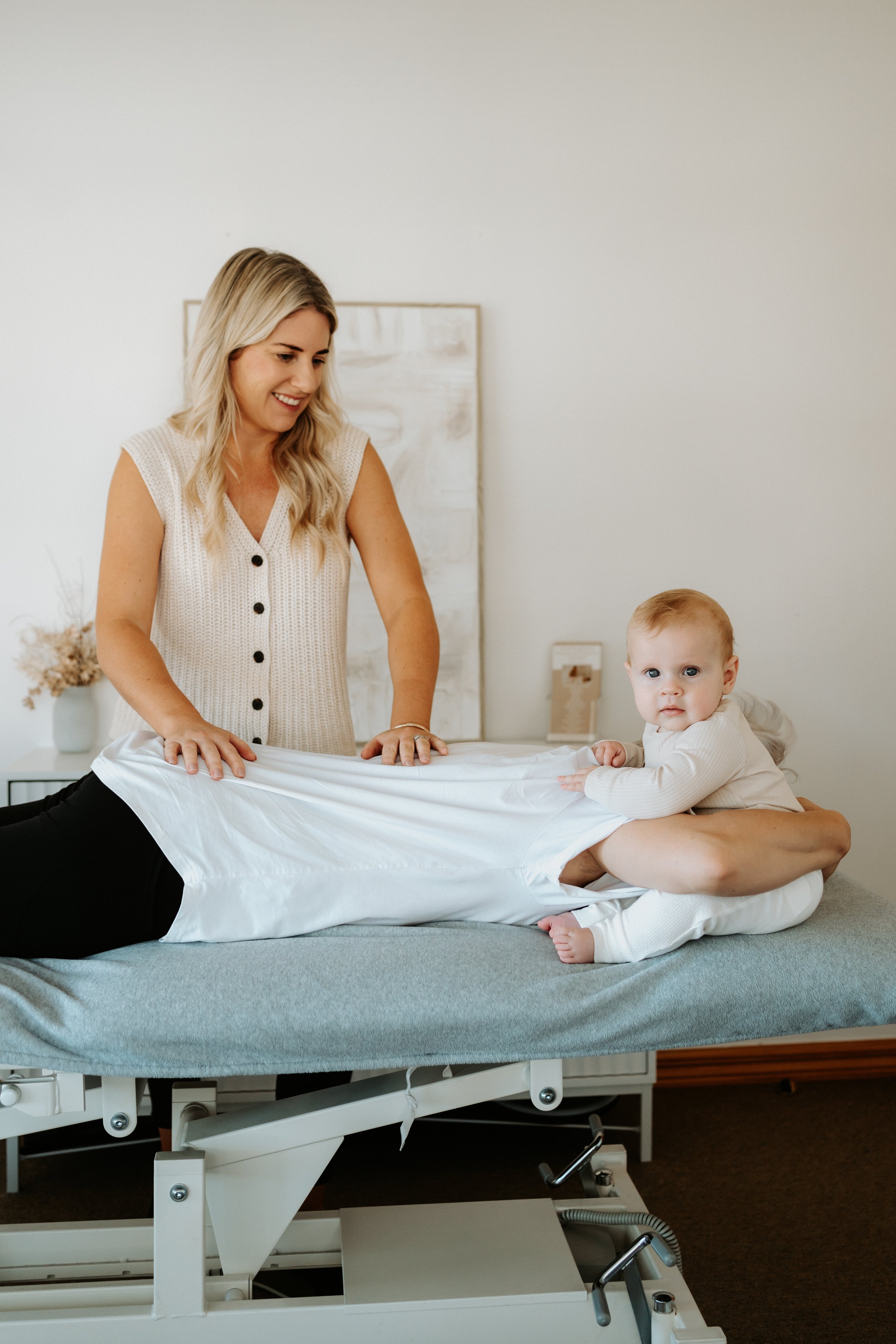
When pain makes everyday motherhood harder
From feeding and carrying your baby to changing, burping, wearing a front pack or getting back to exercise — pain can make everyday motherhood feel much harder than it should. You don't have to simply push through. If pain is making it harder to care for your baby, sleep, exercise or enjoy everyday life, postpartum osteopathic care can help you feel more comfortable and supported as your body recovers.
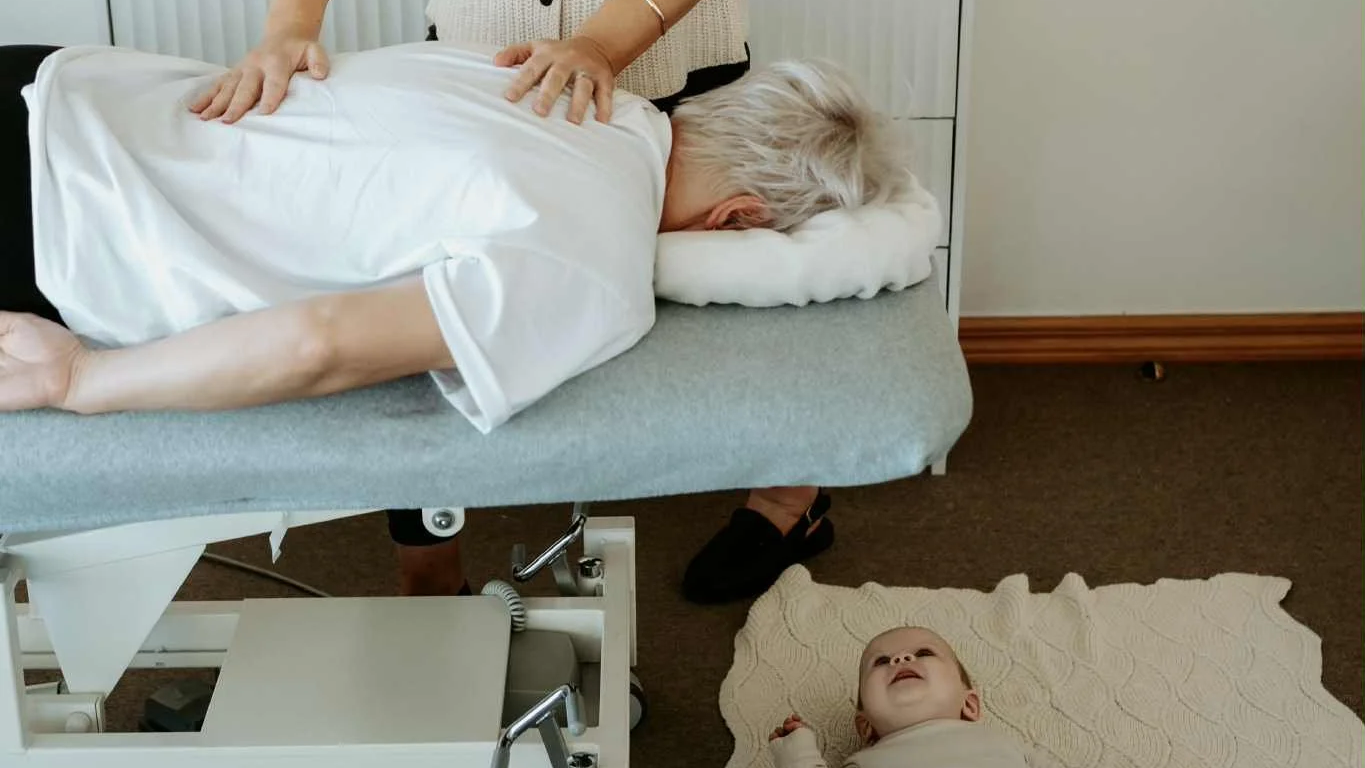
Back pain
Feeding, lifting, carrying and spending long periods sitting can all leave your back feeling sore and stiff. Postpartum back pain can make caring for your baby and getting back to your usual activities harder.

Mum Thumb
Picking up your baby, feeding, changing nappies and pushing the pram can all put repetitive strain through your thumb and wrist. Mum thumb can make these everyday tasks surprisingly painful.
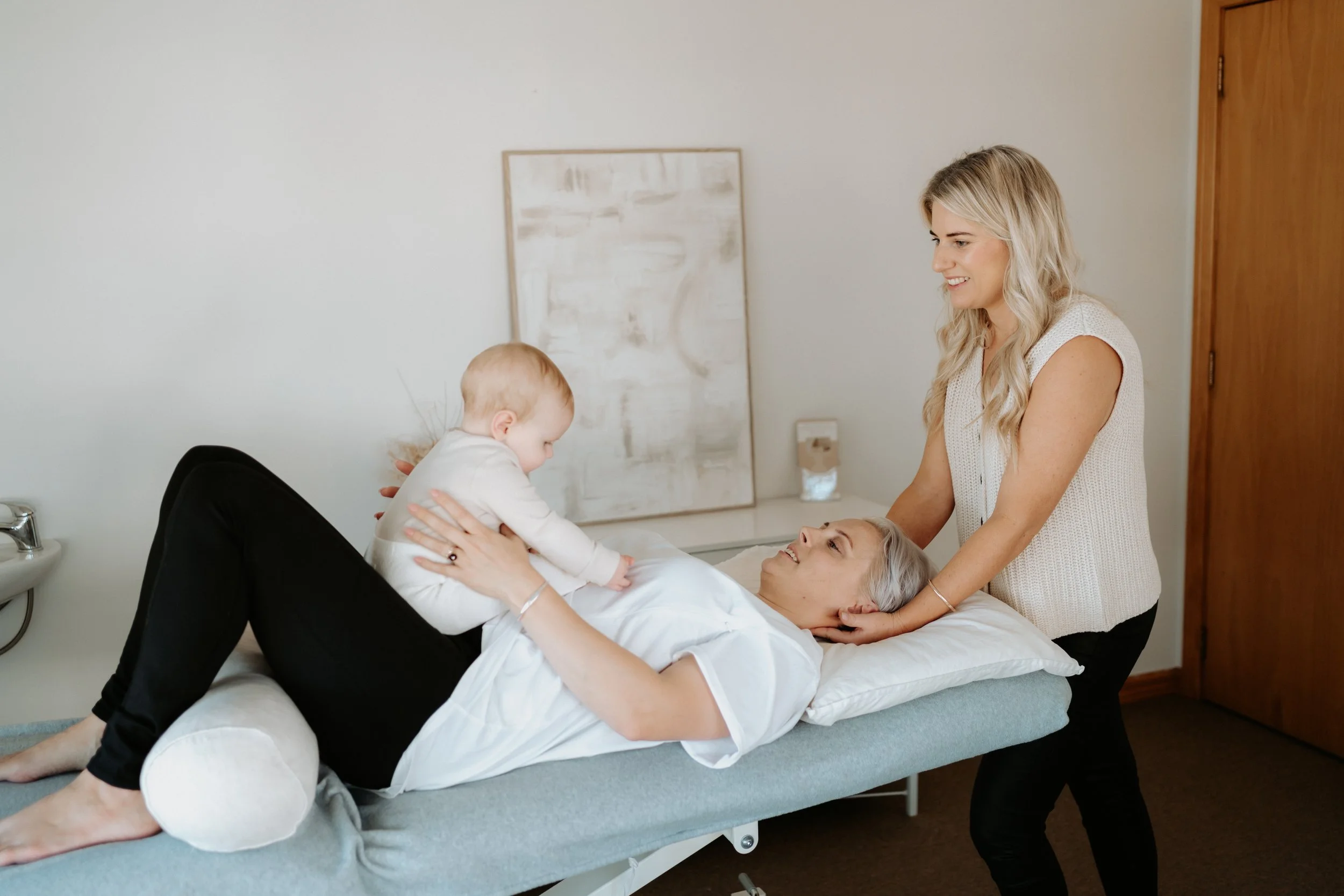
Neck pain
Looking down while feeding, carrying your baby and spending time in one position can leave your neck and shoulders feeling tight and sore.
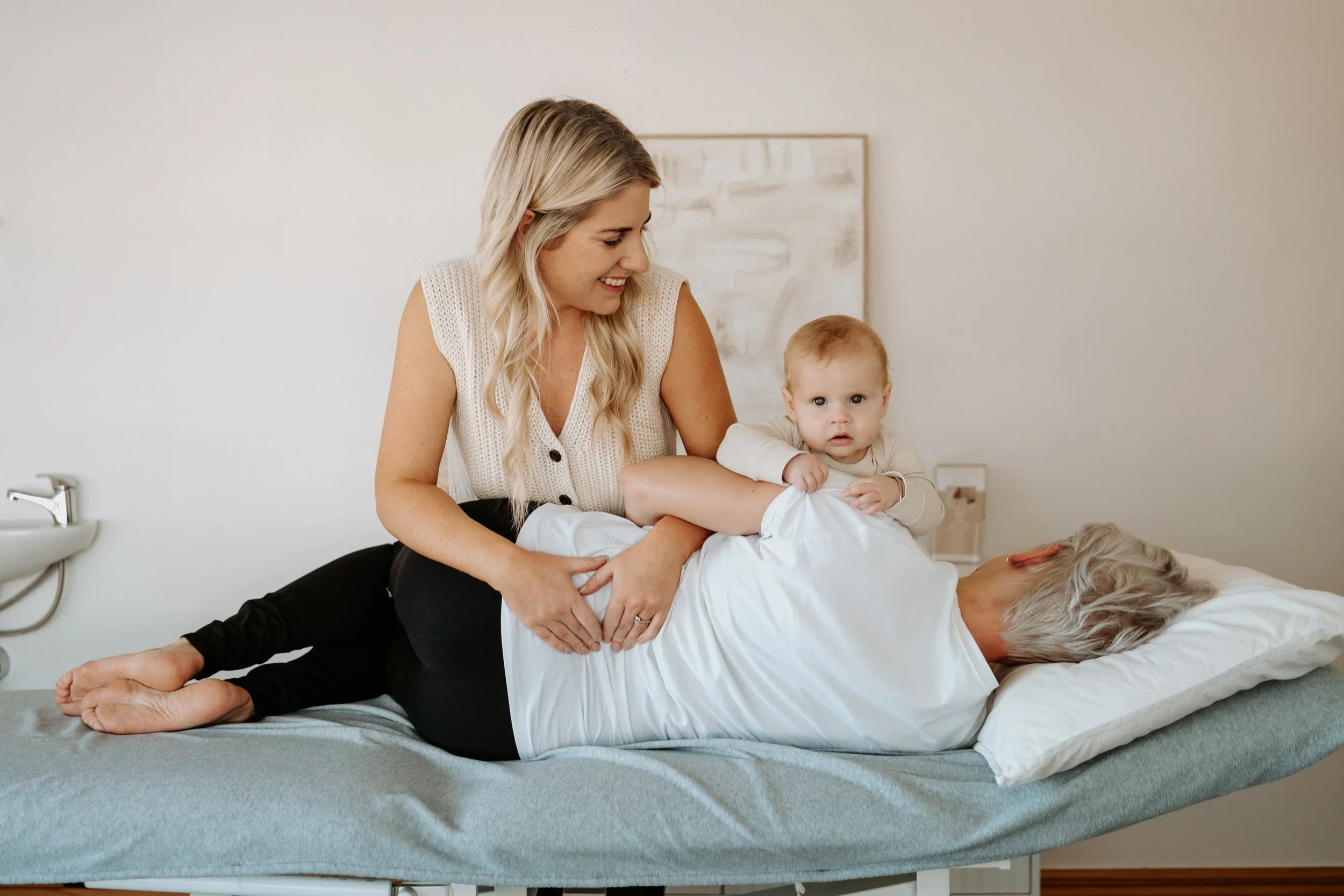
Lower Back pain
Getting down to the floor, lifting your baby, bending over the cot or sitting for feeds can all aggravate lower back pain.
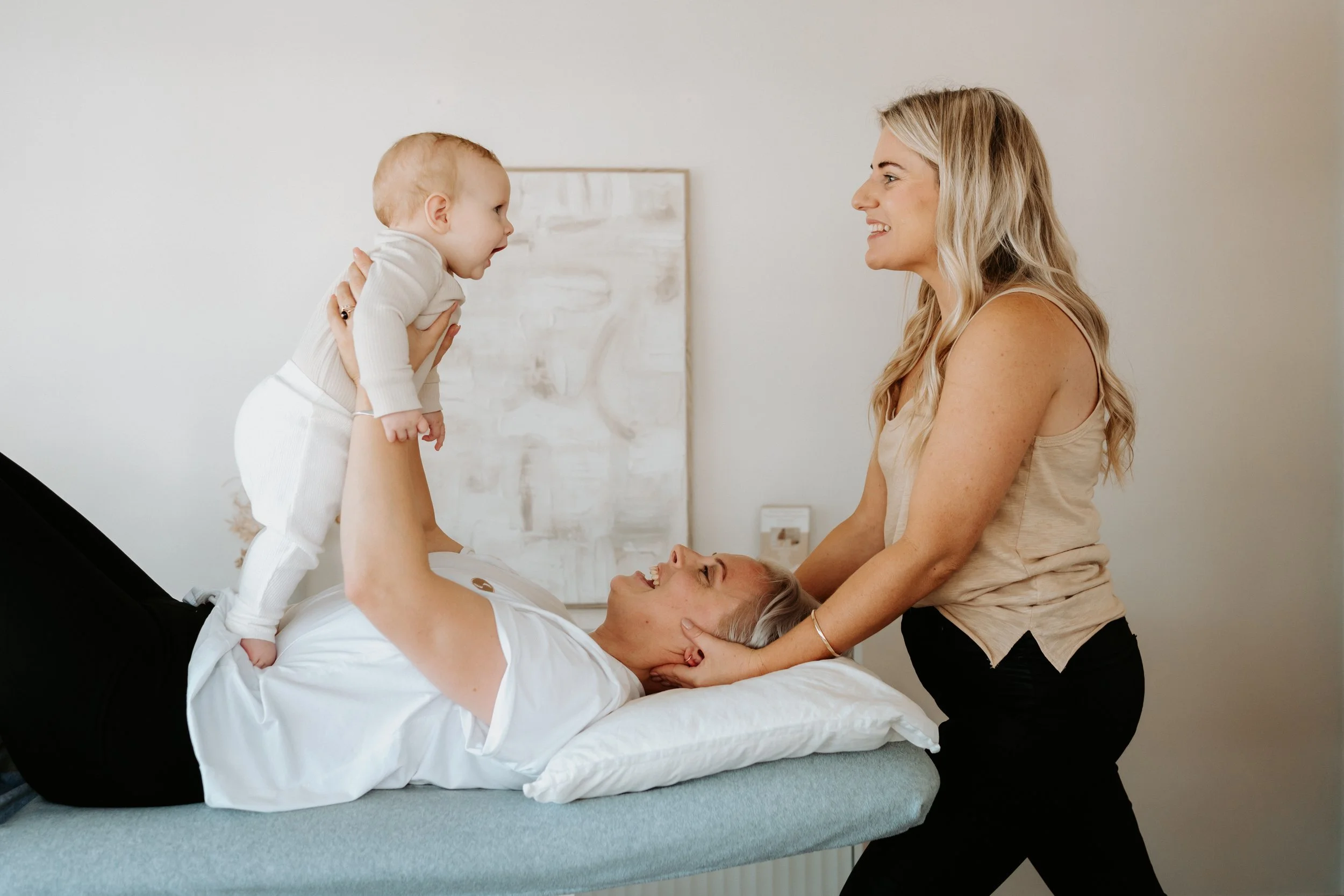
Headaches
Broken sleep, feeding positions, carrying your baby and spending lots of time looking down can contribute to headaches and neck tension.
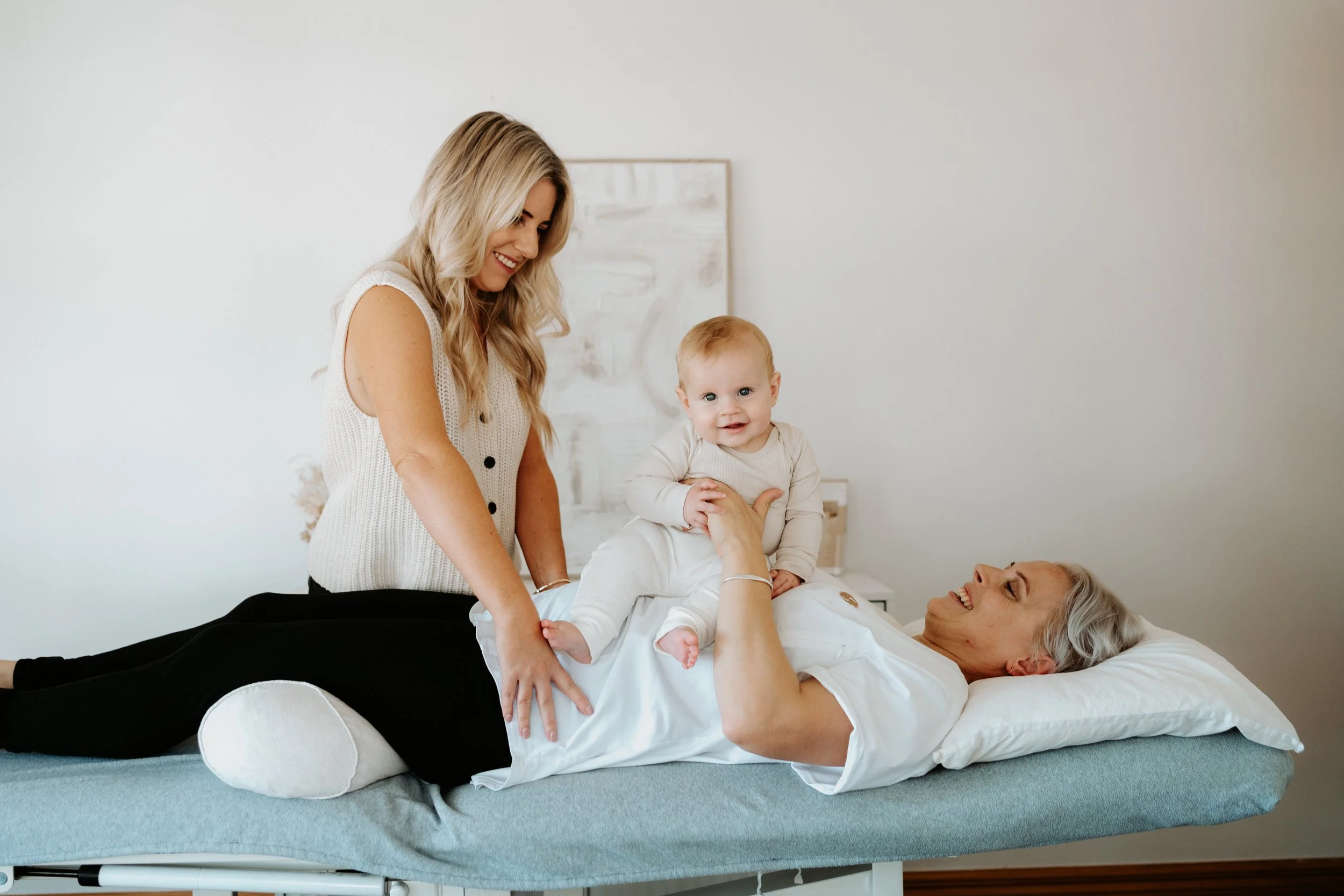
Pelvic pain
Walking, getting up from the floor, climbing stairs, turning in bed and carrying your baby can all become harder when you're experiencing pelvic pain after birth.
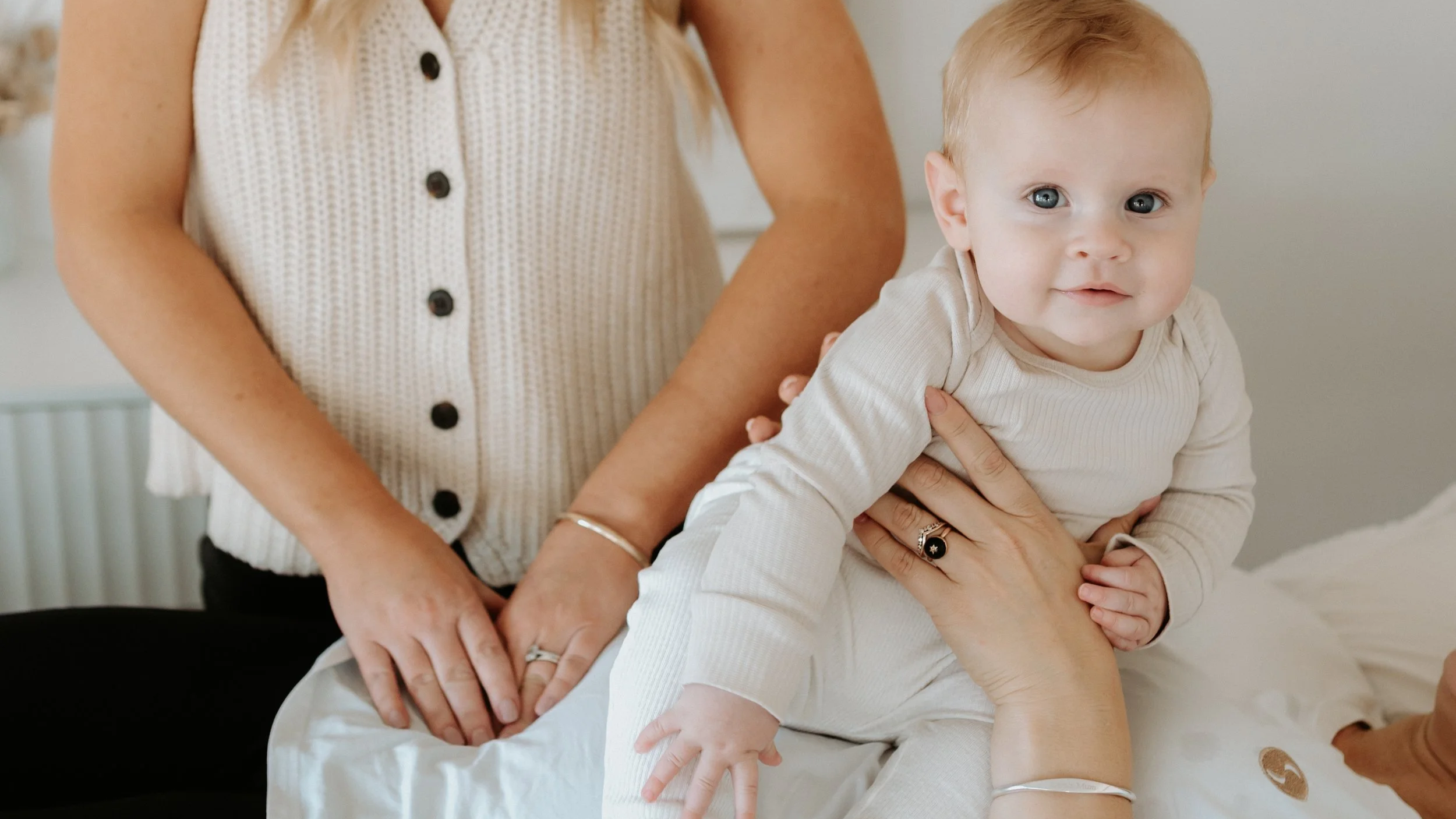
C-Section scar work
A tight, sensitive or uncomfortable C-section scar can make stretching, exercising, getting up from the floor or moving comfortably feel difficult. You may also notice numbness, pulling or sensitivity around the scar as your body continues to recover.
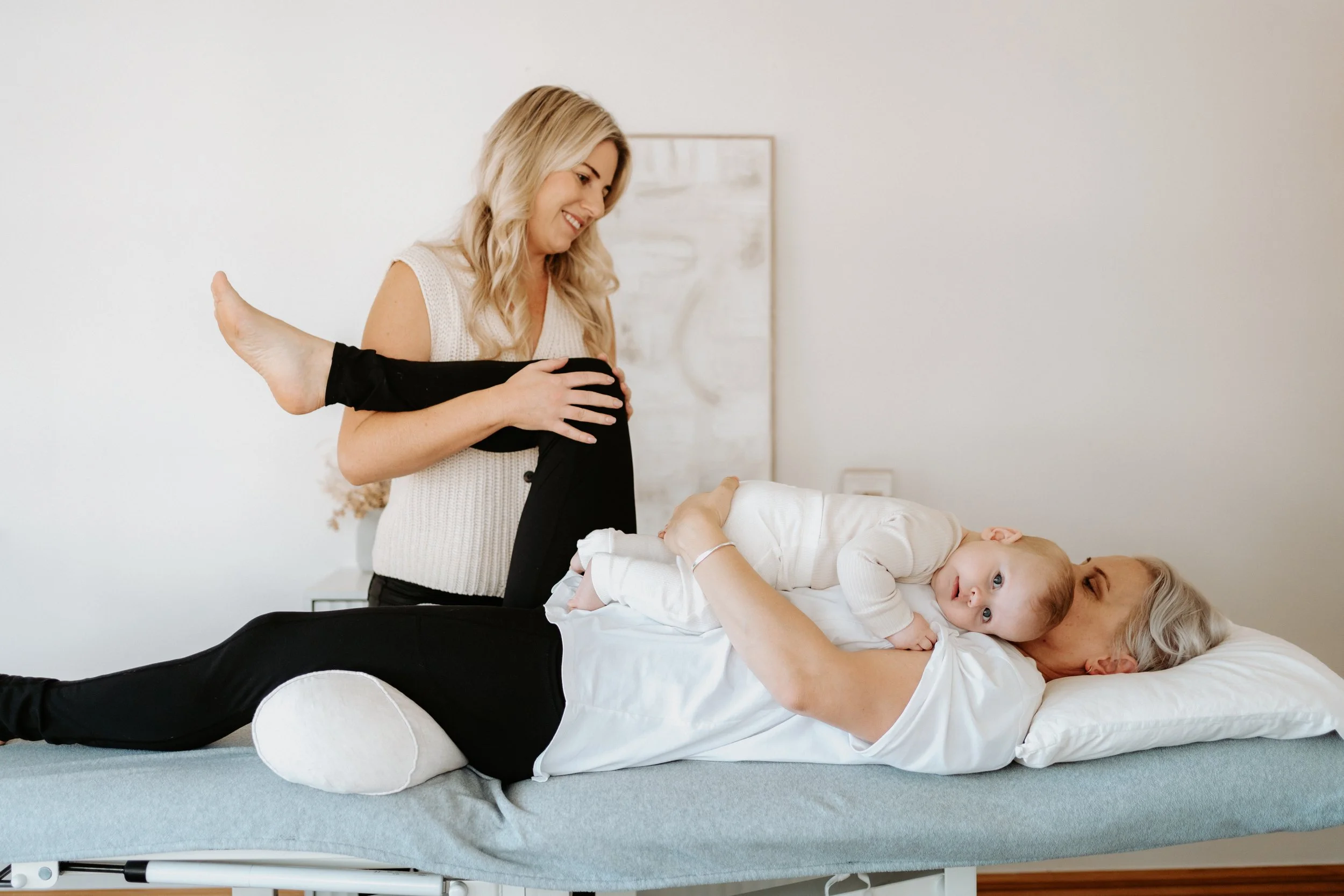
Hip pain
Walking, climbing stairs, getting up from the floor, carrying your baby or lying on your side can all become uncomfortable when you're experiencing hip pain after birth. You may notice aching, stiffness or discomfort around your hips, pelvis or buttocks.
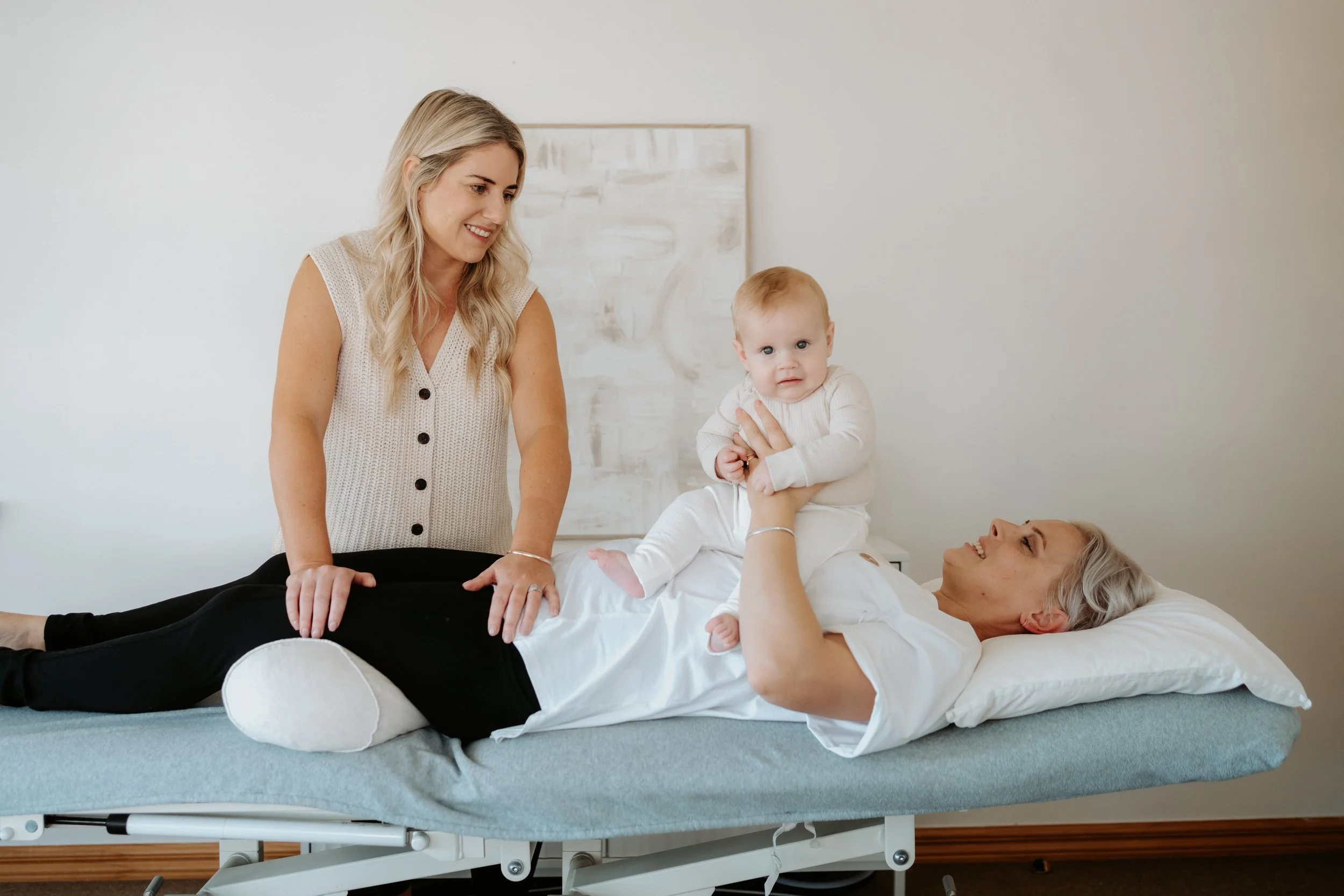
Knee pain
Getting up and down from the floor, climbing stairs, kneeling, squatting or carrying your baby can all become more difficult when you're experiencing knee pain after birth. You may notice aching, stiffness or discomfort during everyday movements
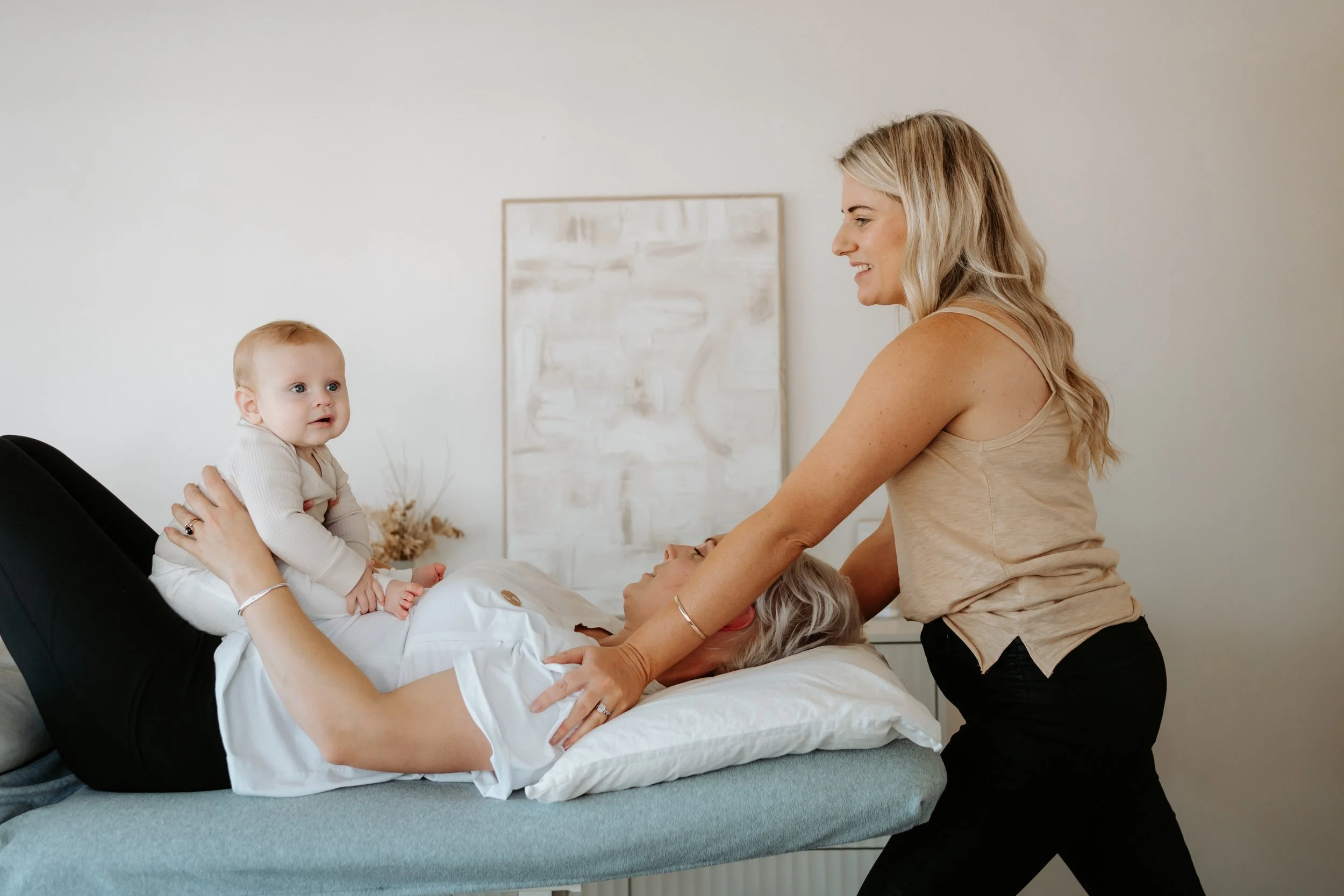
Shoulder pain & tension
Feeding, carrying your baby, lifting them in and out of the cot or spending long periods looking down can leave your shoulders feeling tight, sore and tense. This can make everyday tasks and getting comfortable at night more difficult.
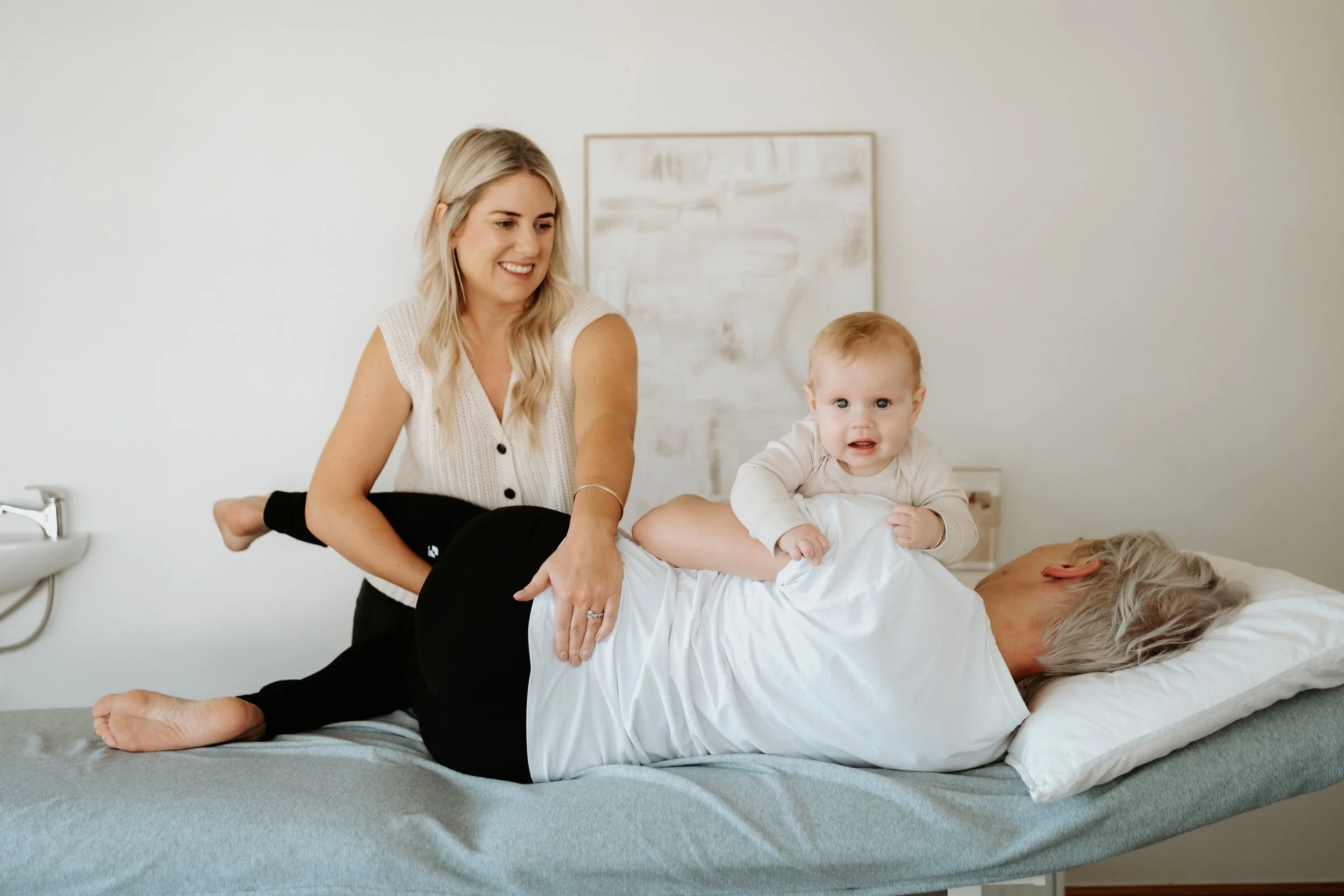
Sacroiliac joint (SIJ) pain
Walking, climbing stairs, getting up from the floor, turning in bed or carrying your baby can become uncomfortable when you're experiencing SIJ pain after birth. You may notice pain around the back of your pelvis, lower back or buttocks, particularly with movement.

Elbow pain
Lifting and carrying your baby, feeding, pushing the pram or repeatedly picking things up can all become uncomfortable when you're experiencing elbow pain after birth. You may notice aching or tenderness around your elbow, particularly with repetitive movements.
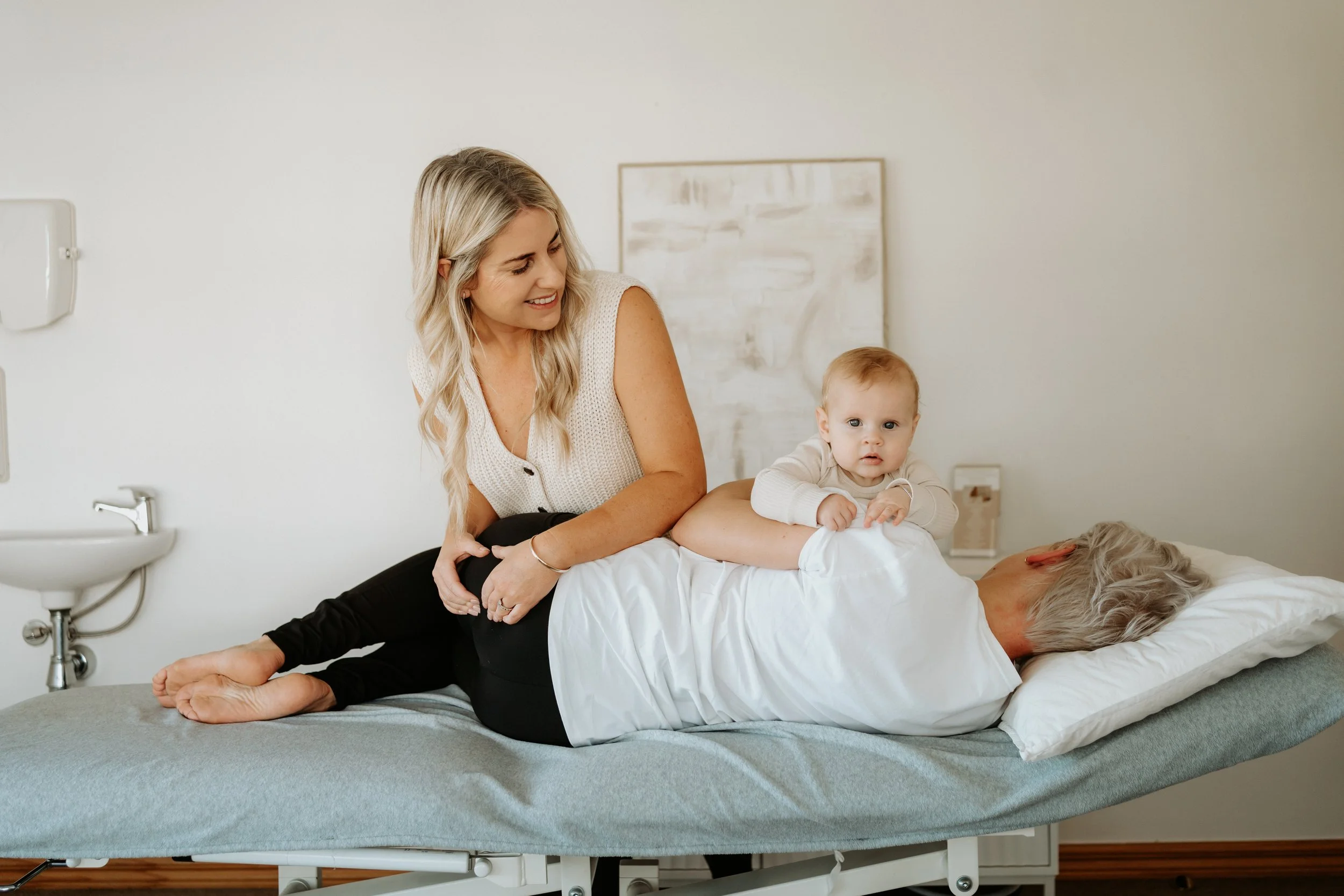
Tailbone pain
Sitting to feed your baby, getting up from a chair, spending time on the floor or driving can put pressure on your tailbone and leave it feeling sore and tender after birth. This can make feeding, sitting comfortably and getting through everyday activities much more difficult.
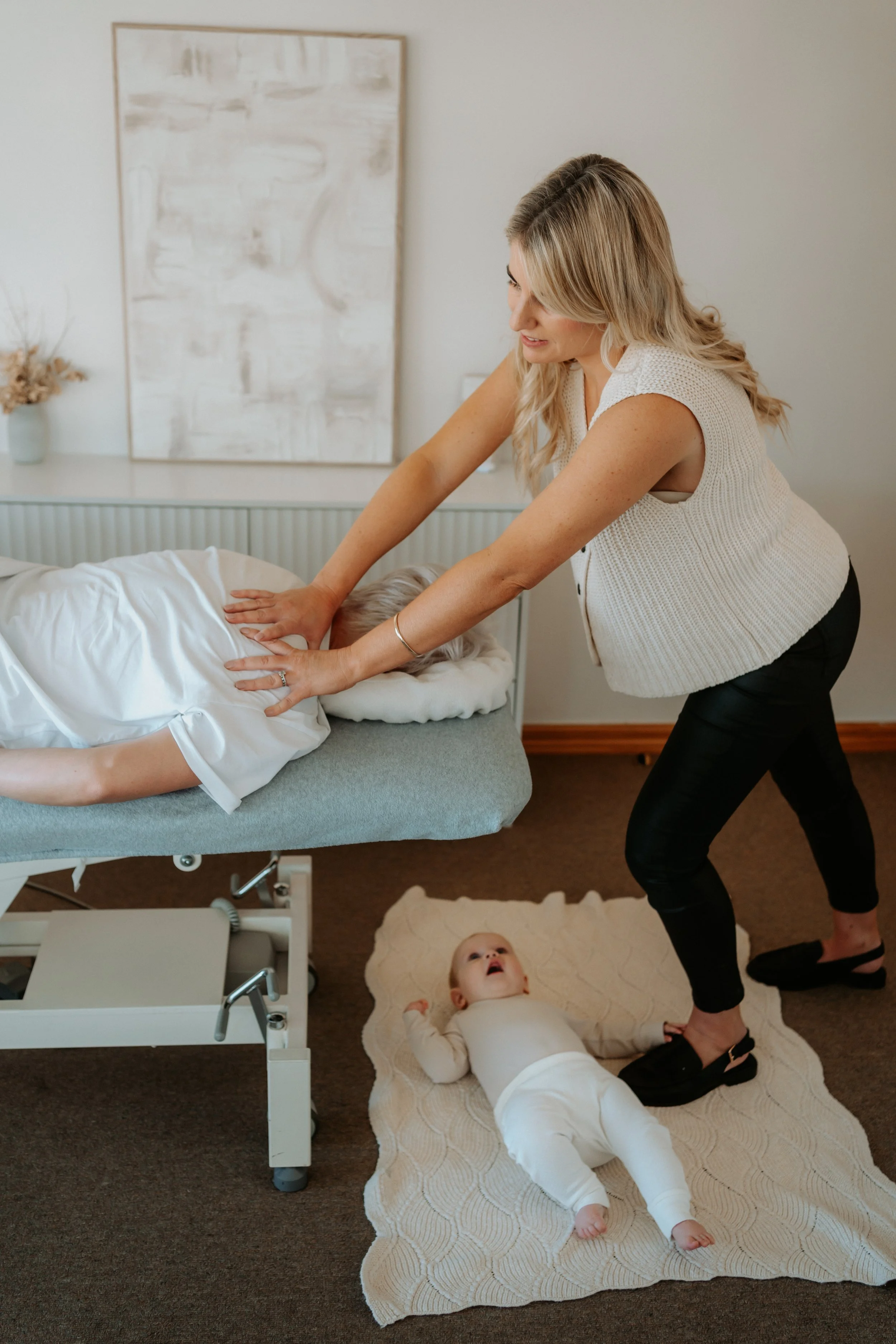
How can a postpartum osteopath help?
Your body goes through a huge amount of change during pregnancy, birth and the early months of motherhood. Osteopathic treatment is tailored to you, your symptoms and your stage of recovery, with the aim of helping you feel more comfortable and move more freely. Sarah will take the time to understand what you're experiencing, assess how your body is moving and identify areas that may be contributing to your discomfort. Treatment may include gentle hands-on techniques, soft tissue work, joint mobilisation and practical advice to support you between appointments. Whether you're struggling with back, pelvic, hip, neck or shoulder pain, the goal is to help make everyday activities like feeding, carrying your baby, getting out of bed and returning to exercise feel more comfortable.