
Neck Pain When Turning Your Head, Working or Sleeping?
You turn to check your blind spot and feel a sharp catch. By lunchtime, your neck and shoulders are aching. At night, you keep adjusting your pillow, trying to find a position that feels comfortable.
A sore neck can follow you through the whole day—even when you haven’t done anything that seems to explain it.
If neck pain is changing how you move, work or rest, you can book an assessment without knowing exactly what’s causing it.
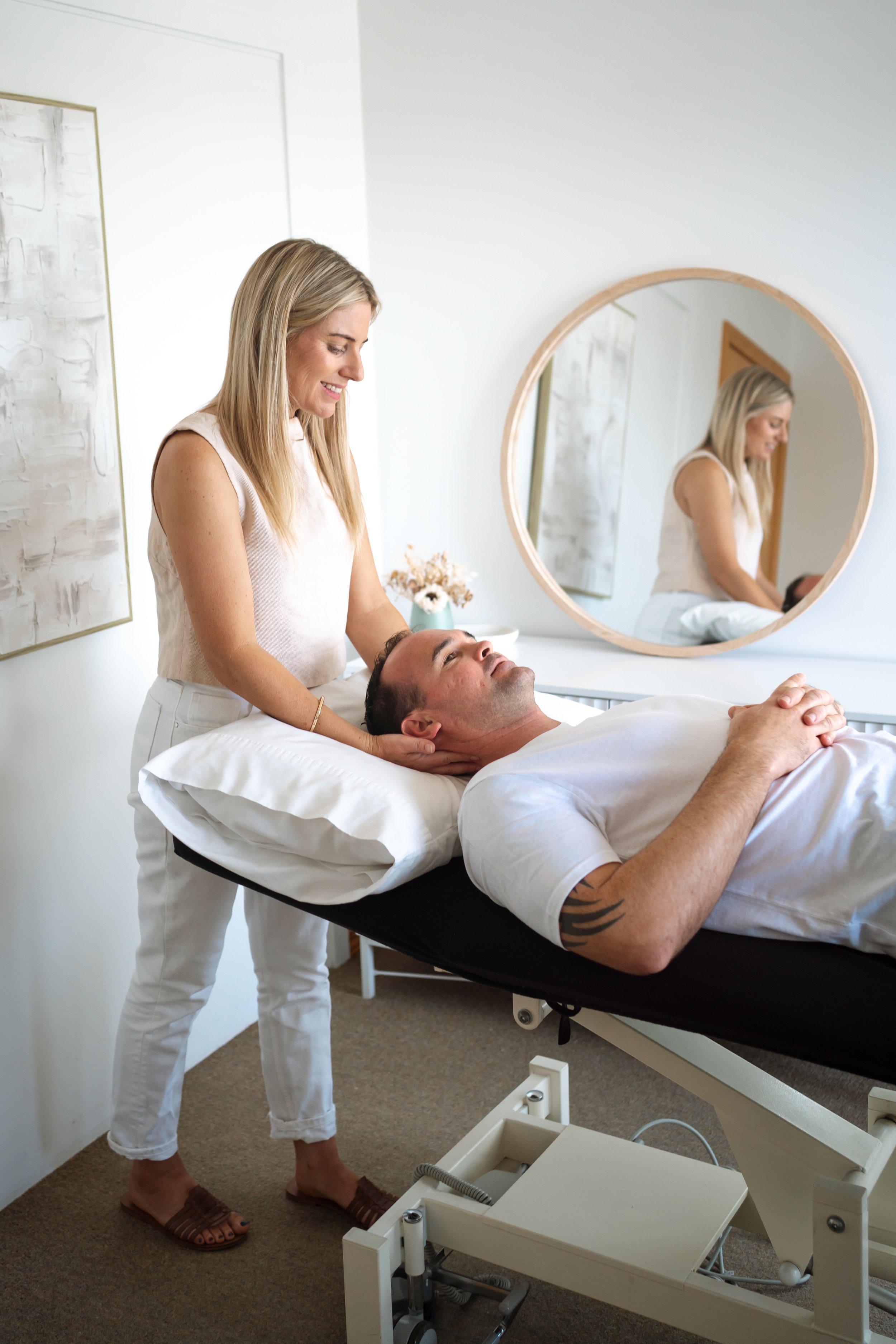
I’m Sarah Boughtwood, a Master’s-qualified osteopath in Milford, Auckland, with over 10 years’ clinical experience. I’ll listen to what’s been happening, assess your symptoms and explain suitable options for your care.
Book a neck pain appointment with Sarah
ACC registered · No referral required · Free onsite parking
When Your Neck Makes Everyday Life Harder
Sometimes it’s a sudden stiff neck when you wake up. Other times, discomfort gradually builds until you realise you’re turning your whole body to look over your shoulder.
Perhaps you’re noticing:
Tightness across your neck and shoulders after computer work.
Pain when looking down to read, cook or use your phone.
Difficulty turning your head while driving.
An ache when carrying your child or holding them during feeds.
Discomfort looking up, washing your hair or exercising.
Interrupted sleep because your neck never quite feels settled.
You may also be getting headaches alongside your neck pain. Tell me about these, rather than assuming they are simply part of the same problem.
What matters is how your symptoms affect you. Being able to sit through a meeting, sleep comfortably or return to the gym gives us something meaningful to work towards.
Why Have I Developed a Stiff or Painful Neck?
There isn’t always one clear explanation. Neck pain may follow an injury, an unfamiliar activity or time spent in a position your neck finds uncomfortable. Sometimes you simply wake up feeling restricted.
Muscles, joints and other structures can contribute to symptoms. Pain can also spread towards the shoulder blade, shoulder or arm. Tingling, numbness or weakness needs particular attention during assessment. healthnz.govt.nz
Rather than guessing from where it hurts, we’ll explore how your symptoms started, what changes them and whether there are signs that another type of care is needed.
What Will Happen at My Appointment?
You’ll have time to explain the problem in your own words.
I’ll ask about your symptoms, medical history, work, activities and sleep. If there was an accident or injury, we’ll discuss that too.
Your assessment may include checking neck movement, surrounding areas and, where indicated, nerve function. I’ll explain what I find and discuss the options before we begin treatment.
Depending on your needs, your plan may include:
Hands-on techniques for muscles and joints.
Exercises to support movement, strength and confidence.
Adjustments to activities that currently aggravate your symptoms.
Advice about your work setup and sleeping comfort.
Further investigation or referral where appropriate.
You’ll be involved in decisions throughout. If something concerns you, I want you to feel comfortable saying so.
Book an appointment to discuss your neck pain
Does Neck Treatment Have to Involve “Cracking”?
No. Joint manipulation is one possible technique, and it isn’t necessary or suitable for everyone.
Other approaches include soft tissue work, gentle joint movement, exercises and practical advice. We’ll discuss your preferences and the potential benefits and risks of any proposed technique. Treatment only proceeds with your consent.
If you’ve been putting off an appointment because you’re worried about neck manipulation, you’re welcome to mention this when booking.
What Can I Try While Waiting?
For uncomplicated neck pain, gentle movement is generally preferable to keeping your neck completely still. Move within a comfortable range and vary your position during the day. Avoid driving or cycling if restricted movement makes it unsafe to check your surroundings. NHS
A few practical things to consider:
Break up desk time.
Try brief changes of position rather than searching for one posture you can hold all day.
Bring tasks closer to eye level.
Notice whether reading or using your phone keeps you looking down for long periods.
Check your sleeping comfort.
Your pillow should support your head comfortably. A different pillow isn’t automatically the answer, so avoid feeling you need to buy expensive equipment before getting advice.
You don’t need to force your neck through painful stretches. If movement brings on dizziness, increasing arm symptoms or an unusual headache, stop and seek advice.
When Should Neck Pain Receive Urgent Medical Attention?
Seek urgent medical assessment for:
A stiff, painful neck with fever or flu-like symptoms.
Severe neck pain following a significant fall, collision or other injury.
New or worsening arm weakness, hand clumsiness or persistent loss of feeling.
New difficulty walking or passing urine.
These symptoms need medical attention rather than waiting for a routine appointment. healthnz.govt.nz
Neck Pain Appointments in Milford, North Shore Auckland
My clinic is based at Milford Health Clinic, 50 East Coast Road, Milford, with free onsite parking.
I care for adults and children aged 5+, including general, pregnancy and postpartum patients. Babies, children and support people are welcome to accompany you.
Do I need a GP referral?
No. You can book directly.
Can I use ACC for a neck injury?
ACC appointments are available for eligible injuries. If you’re unsure whether to select a private or ACC appointment, get in touch for guidance.
Should I wait to see whether it settles?
Many episodes of neck pain improve within a few weeks. If yours isn’t improving, keeps returning or is affecting daily life, seek assessment. You don’t need to wait until the pain becomes severe.
How many appointments will I need?
There isn’t a fixed number that suits everyone. We’ll discuss a plan based on your assessment and review how you respond.
Ready to Stop Planning Your Day Around Your Neck?
Whether you want to turn your head more comfortably, get through work or settle into bed without constantly repositioning, we can start by understanding what’s happening.
I’ll take your concerns seriously, explain your options and help you decide on suitable next steps.