
When sports end in injuries
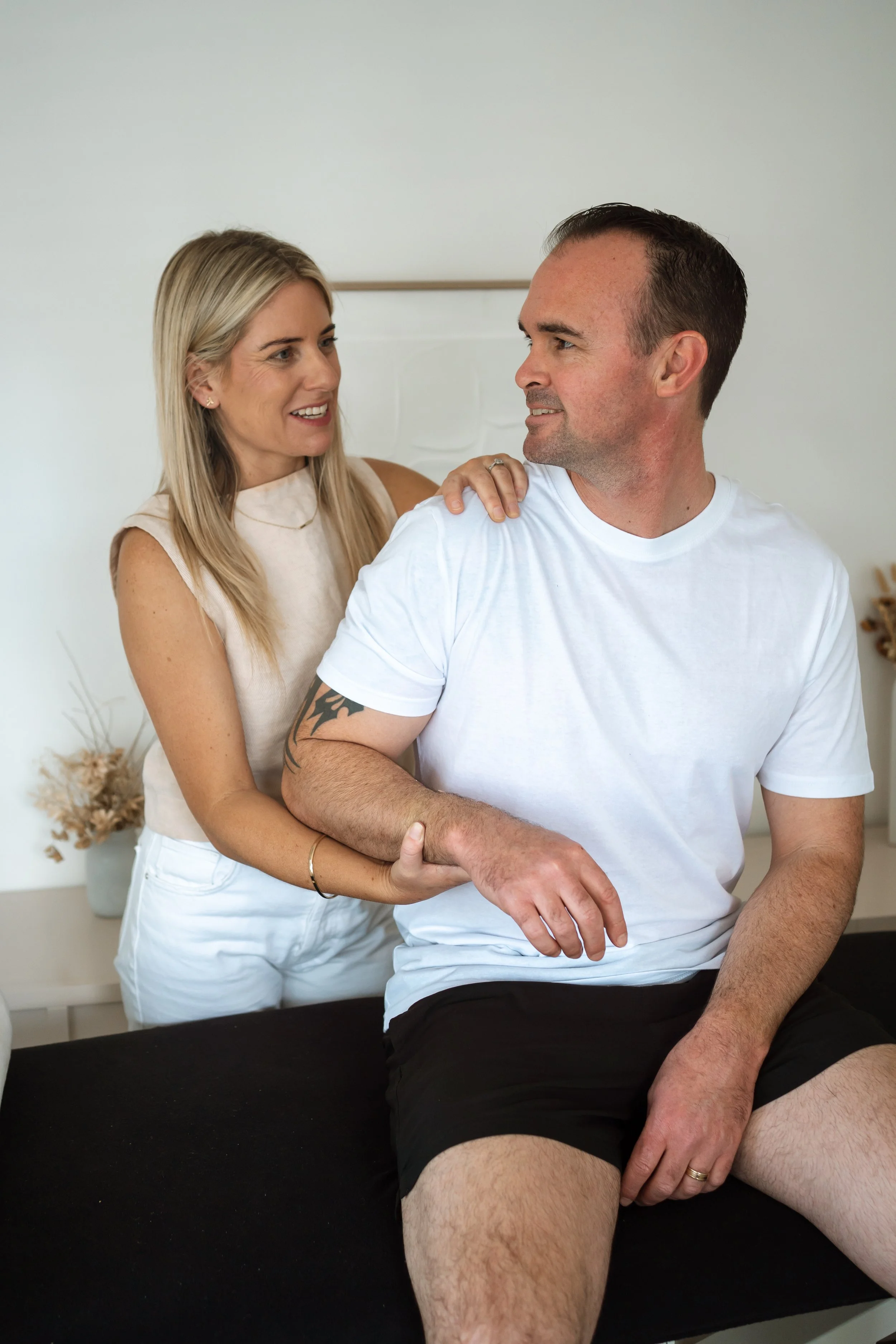
One minute you're enjoying your usual run, gym session or weekend sport. The next, something hurts — and suddenly you're wondering how long you'll be out of action.
Perhaps you've rolled your ankle playing netball, felt a sharp pull in your hamstring while sprinting or developed knee pain that's making running uncomfortable. Maybe your shoulder aches after lifting weights, your Achilles tendon feels stiff when you get out of bed, or your back is sore following a game of golf. Or perhaps you haven't had one obvious injury at all. Instead, you've noticed a niggling pain that keeps returning whenever you exercise. Sports injuries can be frustrating, particularly when being active is an important part of your life. Whether you're a competitive athlete, weekend sports player, regular gym-goer or simply someone who enjoys staying active, pain can affect your confidence and stop you doing the things you enjoy. The reassuring news is that many common sports injuries improve with appropriate assessment, rehabilitation and a gradual return to activity.
Is It a Sports Injury or Just Normal Muscle Soreness?
It's normal to experience some muscle soreness after unfamiliar or particularly demanding exercise. Delayed onset muscle soreness (DOMS) often develops several hours after exercise, is most noticeable over the following one to three days and gradually settles. However, not all pain after exercise is ordinary muscle soreness.
You may have an injury if you experience:
Sudden sharp pain during exercise
Swelling or bruising around a joint or muscle
Pain that repeatedly returns with the same activity
Difficulty walking, running or lifting
A noticeable loss of strength
Pain that becomes progressively worse with continued training
Persistent discomfort that doesn't improve with appropriate rest or activity modification
Pain doesn't always mean something is seriously damaged, but persistent or worsening symptoms deserve attention.
Common Types of Sports Injuries
Sports injuries can affect muscles, tendons, ligaments, joints and bones. Some occur suddenly following an accident or awkward movement, while others develop gradually when the demands of exercise exceed what your body is currently able to tolerate.
Muscle Strains: Hamstring, Calf, Quadriceps and Groin Injuries
Have you ever felt a sudden pulling or tearing sensation while sprinting, jumping or changing direction? Muscle strains occur when muscle fibres are injured, often during rapid or forceful movements.
Common examples include:
Hamstring strains during sprinting
Calf strains while running or pushing off
Quadriceps strains during kicking or jumping
Groin strains during sideways movements
Back muscle strains during lifting or sport
You might notice sharp pain, muscle tightness, tenderness, weakness or bruising. More significant strains may make walking or using the affected muscle difficult.
Ligament Sprains: Ankle and Knee Injuries
Ligaments connect bones and help stabilise joints. A sprain occurs when a ligament is injured, often following a twist, fall or awkward landing. Common sporting examples include ankle sprains, knee ligament injuries and wrist sprains.
You might experience:
Sudden pain around the joint
Swelling or bruising
Difficulty putting weight through the affected limb
A feeling that the joint is unstable
Pain when changing direction
Reduced movement
Some ligament injuries are relatively mild, while others require imaging, bracing or specialist management.
Tendon Pain: Achilles, Patellar and Shoulder Tendinopathy
Knee Pain During Sport
Knee pain can affect runners, netball players, footballers, cyclists, gym-goers and people returning to exercise.
You might notice pain:
Around the front of your knee when running
Below your kneecap when jumping
On the inside or outside of your knee
When squatting or lunging
Going up or down stairs
After a long walk or training session
Knee pain can have several causes, including patellofemoral pain, tendon-related problems, ligament injuries or meniscal injuries. The most appropriate management depends on the nature of your symptoms.
Shoulder Injuries From Sport and Weight Training
Perhaps your shoulder hurts when bench pressing, performing shoulder presses, swimming or throwing a ball. You may experience a sharp pain lifting your arm, aching after exercise or discomfort when sleeping on your side. Rotator cuff-related pain, muscle strains and other shoulder injuries can affect both recreational and competitive athletes.
Running Injuries and Overuse Pain
Not every sports injury happens suddenly. Sometimes pain develops gradually after increasing your running distance, speed, training frequency or exercise intensity.
Common running-related problems include:
Shin pain
Achilles tendon pain
Knee pain
Calf discomfort
Plantar heel pain
Hip pain
Bone stress injuries
If you've recently increased your training and developed persistent pain, particularly pain that is becoming more localised or occurring with less activity, an assessment is important.
Why Does My Injury Hurt During Everyday Activities?
One of the frustrating things about sports injuries is that the pain doesn't always stop when you finish exercising. You might find yourself struggling with activities that were previously easy.
Walking and Climbing Stairs
Knee, ankle, calf and Achilles injuries can make walking uncomfortable. You may notice yourself limping, taking shorter steps or avoiding stairs.
Getting Out of Bed
Achilles tendon problems, plantar heel pain and some muscle injuries can feel particularly stiff after resting. You might need a few minutes to get moving comfortably in the morning.
Sitting at Work
Hip, hamstring or back injuries can make prolonged sitting uncomfortable. You may find yourself constantly changing position or needing to stand up regularly.
Lifting and Carrying
Shoulder, elbow and back injuries can affect lifting groceries, carrying children or performing physical work.
Squatting, Lunging and Bending
Knee, hip and lower back pain may make gym exercises, gardening or picking something up from the floor uncomfortable.
Returning to Running or Sport
Perhaps you can walk comfortably again, but the moment you try running, jumping or changing direction, your pain returns. This can happen when your symptoms have settled but your strength, balance or tolerance to higher-level activity hasn't fully recovered. Being pain-free during everyday activities doesn't always mean you're ready to return to sport.
Why Do Sports Injuries Happen?
Sometimes the cause is obvious. You may have fallen, twisted your ankle, collided with another player or felt a sudden pain while lifting. Other injuries develop gradually.
Contributing factors can include:
A sudden increase in training intensity or volume
Returning to sport after a break
Repetitive loading without enough recovery
Reduced strength or physical conditioning
Previous injuries
Fatigue or poor sleep
Changes in footwear, equipment or training surfaces
Sport-specific demands
It's important to remember that there isn't one perfect way to move that prevents every injury. Your body is designed to adapt to physical activity. The aim is to build the strength, capacity and confidence needed for the activities you enjoy.
Should I Stop Exercising When Something Hurts?
Not necessarily. For many common musculoskeletal injuries, completely stopping all activity isn't required. Instead, you may need to temporarily modify what you're doing. For example, if running aggravates your knee, you may be able to continue with suitable strengthening exercises or another form of exercise that doesn't significantly worsen your symptoms. If your shoulder hurts during overhead pressing, you may be able to adjust the weight, movement or exercise selection. However, suspected fractures, dislocations, significant ligament injuries and other serious injuries may require protection or immobilisation. The right approach depends on what you've injured and how severe the injury is. If you're unsure whether it's safe to continue training, an assessment can help guide your next steps.
Book a Sports Injury Assessment with Sarah
What Can I Do to Help a Sports Injury Recover?
Although every injury is different, several principles are useful for many common sports injuries.
1. Protect the Injured Area Initially
Following an acute injury, avoid movements that cause significant pain or risk further damage. Some injuries may require temporary bracing, crutches or medical assessment.
2. Manage Swelling and Discomfort
Compression and elevation may help with swelling after some acute injuries. A cold pack wrapped in a towel can provide temporary pain relief.
3. Maintain Comfortable Movement
Once serious injury has been excluded, gentle movement can often help prevent unnecessary stiffness and loss of function. Avoid forcing painful movements.
4. Gradually Rebuild Strength
Progressive strengthening is an important part of recovery for many muscle, tendon and ligament injuries. The aim is to restore your body's ability to tolerate everyday activity and eventually the demands of your sport.
5. Allow Time for Recovery
Healing takes time, and trying to return to full training too quickly may aggravate symptoms. However, avoiding activity for too long can also reduce strength and confidence. Finding the right balance is important.
6. Address the Demands of Your Sport
Returning to running requires more than being able to walk comfortably. Returning to netball or football may require jumping, landing and changing direction.Returning to weight training may require gradually increasing load and movement complexity. Your rehabilitation should reflect what you actually want to get back to doing.
How Long Does a Sports Injury Take to Heal?
This depends on the type and severity of injury. Some mild muscle strains or sprains improve within a few weeks. More significant ligament injuries, tendon problems and bone stress injuries may require several months of rehabilitation. Pain may also settle before the injured tissues have fully recovered their strength or capacity. Recovery isn't always a straight line. It's common to have good days and more uncomfortable days as you gradually increase activity. The important thing is having a plan that helps you progress safely.
How Can Osteopathic Treatment Help Sports Injuries?
If a sports injury is stopping you from exercising, working or enjoying your usual activities, osteopathic assessment and treatment may help guide your recovery. I'm Sarah Boughtwood, a structural osteopath based in Milford on Auckland's North Shore, with over 10 years of clinical experience. I treat adults and children aged five years and older, helping patients manage musculoskeletal aches, pains and injuries. My approach is to understand not just where you're injured, but what you're trying to get back to doing. Perhaps you want to return to running, play your weekend sport, lift weights comfortably, walk without pain or simply feel confident moving again. During your appointment, I'll take the time to understand how your symptoms started, what aggravates them and what activities matter most to you. I'll assess the affected area, surrounding joints and muscles, and your movement where appropriate.
Depending on your injury and stage of recovery, treatment may include:
Hands-on soft tissue techniques to help manage associated muscle discomfort
Appropriate joint mobilisation when suitable
Individualised strengthening and mobility exercises
Advice on modifying exercise and training loads
Balance and stability rehabilitation
Practical strategies for returning to running, gym training or sport
Referral for imaging or further medical assessment when indicated
Exercise-based rehabilitation and progressive loading are central to recovery from many sports injuries. Hands-on treatment may help manage symptoms for some patients, but it doesn't replace appropriate rehabilitation or tissue healing. Treatment is tailored to your age, injury, health history and goals. My aim is to help you understand your injury, improve your movement and return to the activities you enjoy with greater confidence.
Book an Osteopathy Appointment with Sarah
When Should I Be Concerned About a Sports Injury?
Many sports injuries improve with appropriate management, but some require urgent medical assessment.
Seek prompt medical attention if you experience:
A suspected fracture or dislocation
A visibly deformed joint or limb
Inability to bear weight following an injury
Severe or rapidly increasing swelling
Significant weakness following a sudden injury
Numbness, loss of sensation or a cold limb
Severe pain that is worsening rather than settling
A suspected concussion also requires immediate removal from sport and appropriate medical assessment. For children and teenagers, injuries may involve growing bones or growth plates rather than just muscles or ligaments, so persistent pain or difficulty using a limb should be assessed.
Why Does My Sports Injury Keep Coming Back?
Perhaps your pain settles when you rest, but returns as soon as you start exercising again. This can happen when the symptoms have improved but the underlying physical demands haven't yet been addressed. For example, you may need to rebuild strength, improve balance, gradually increase training loads or allow more time between demanding sessions. Sometimes persistent symptoms also indicate that the original diagnosis needs to be reconsidered. Repeated pain doesn't necessarily mean you're permanently injured, but it may mean your recovery plan needs adjusting.
Can I See an Osteopath for a Sports Injury Under ACC?
Yes. Many sports injuries resulting from accidents or sudden incidents may qualify for ACC cover. Examples include ankle sprains, muscle strains following a specific injury, falls and sporting collisions. Not every exercise-related pain qualifies, particularly when symptoms develop gradually without a qualifying injury. I'm an ACC-registered osteopath, and you don't need a GP referral to book an appointment. If you're unsure whether your injury may qualify for ACC, we can discuss this during your appointment.
Getting Back to Sport Starts With Understanding Your Injury
Whether you're recovering from a rolled ankle, painful knee, strained hamstring, sore shoulder or a persistent niggle that keeps interrupting your training, sports injuries can be frustrating. You may be missing your usual exercise, worried about losing fitness or unsure whether returning to sport will make things worse. But an injury doesn't necessarily mean you need to give up the activities you enjoy. With an appropriate assessment, rehabilitation plan and gradual return to activity, many people can recover well. If you're struggling with a sports injury or recurring pain during exercise, I'd love to help you explore your options. I'm Sarah, a structural osteopath in Milford, Auckland, providing individualised care for adults and children aged five years and older. Let's work towards getting you moving comfortably and back to the activities you enjoy.
Book a Sports Injury Appointment with Sarah
Sarah Boughtwood | BAppSc(HB), Master of Osteopathy | ACC Registered Osteopath | Milford, North Shore, Auckland
This article provides general information and doesn't replace individual medical assessment.