Does your knee hurt when you walk downstairs, stand up from a chair or bend down to pick something up?
Perhaps you feel a sharp pain at the front of your knee when squatting, an ache along the inside of your knee after walking, or stiffness when you first get up in the morning. Maybe your knee hurts after running, feels uncomfortable when kneeling in the garden, or makes a clicking noise when you bend it. You might even find yourself avoiding activities you enjoy because you're worried about making your knee pain worse. Knee pain can be frustrating because we rely on our knees for almost every movement throughout the day. Whether your symptoms started after an injury, developed gradually or seem to have appeared for no obvious reason, understanding what may be contributing to your discomfort is an important first step towards feeling more comfortable. The reassuring news is that many common causes of knee pain can improve with appropriate assessment, treatment and rehabilitation.
Knee pain when walking, squatting or using stairs?
Sarah provides individualised osteopathic care for musculoskeletal knee pain in Milford, Auckland, helping patients understand their symptoms and work towards moving more comfortably.
Book an Appointment
Where Does Your Knee Hurt?
One of the first things I ask patients is where they feel their knee pain. The location of your symptoms can provide useful clues about which structures may be involved.
Pain at the Front of Your Knee
Do you experience pain around or behind your kneecap? Perhaps your knee hurts when squatting, walking downstairs, running or sitting with your knees bent for a long time. Pain around the front of the knee is commonly associated with patellofemoral pain, although several other conditions can cause similar symptoms.
You might notice:
Pain when walking up or downstairs
Discomfort when squatting or lunging
Aching after sitting for long periods
Pain during or after running
Discomfort getting out of a low chair
Pain when kneeling
Pain on the Inside of Your Knee
Pain along the inside of your knee can sometimes be associated with the medial meniscus, medial collateral ligament, osteoarthritis or other nearby tissues. You may notice discomfort when walking, twisting, squatting or changing direction.
Pain on the Outside of Your Knee
Outer knee pain can occur with several conditions, including iliotibial band-related pain, ligament injuries or joint problems. Runners sometimes experience pain on the outside of their knee that gradually increases during exercise.
Pain Behind Your Knee
Pain at the back of your knee may be associated with muscle or tendon problems, joint irritation or a Baker's cyst. You might notice tightness when bending or straightening your knee.A swollen or painful calf, particularly if it develops suddenly, requires prompt medical assessment because it can occasionally indicate a blood clot.
Pain Below Your Kneecap
Pain just below your kneecap can sometimes be associated with patellar tendinopathy. This is more common in people who regularly jump, run or participate in sports such as basketball, netball and volleyball. The location of your pain is helpful, but it doesn't always tell us exactly what's causing it. A thorough assessment can help identify which structures may be involved and whether further investigation is needed.
Common Causes of Knee Pain
Patellofemoral Pain: Pain Around Your Kneecap
Patellofemoral pain is a common cause of pain around or behind the kneecap. It can affect teenagers, runners, gym-goers and adults of all ages.
You might notice pain when:
Walking downstairs
Squatting or lunging
Running
Sitting with your knees bent
Getting out of a chair
Climbing hills
Patellofemoral pain doesn't necessarily mean your kneecap is damaged or incorrectly positioned. Exercise-based rehabilitation, including strengthening the muscles around your knee and hip, is often an important part of recovery.
Knee Osteoarthritis
Knee osteoarthritis becomes more common as we get older. It can cause aching, stiffness and reduced movement.
You might notice:
Knee stiffness after sitting
Pain when walking longer distances
Discomfort climbing stairs
Difficulty getting out of a low chair
Swelling after activity
Reduced confidence when walking
Although osteoarthritis involves changes within the joint, it doesn't mean you need to stop being active. Appropriate strengthening, movement and activity management can help many people improve their function and manage symptoms.
Meniscus Injuries
The menisci are cartilage structures within your knee that help distribute load. Meniscus injuries can occur following twisting movements or develop alongside age-related changes. You might notice pain along the joint line, swelling, catching sensations or discomfort when twisting and squatting. Not every meniscus tear requires surgery. Many can be managed conservatively, depending on the injury and symptoms. However, a knee that becomes truly locked and cannot straighten requires prompt medical assessment.
Ligament Injuries
Knee ligaments help provide stability. Injuries can occur during sport, falls or sudden changes in direction.
Common examples include:
Anterior cruciate ligament (ACL) injuries
Medial collateral ligament (MCL) sprains
Posterior cruciate ligament (PCL) injuries
Lateral collateral ligament (LCL) injuries
You may experience swelling, pain, instability or difficulty bearing weight. More significant ligament injuries require appropriate medical assessment and rehabilitation.
Patellar Tendinopathy
Patellar tendinopathy involves pain associated with the tendon connecting your kneecap to your shinbone. It's sometimes called jumper's knee. You might notice pain when jumping, running, squatting or climbing stairs. Progressive strengthening and appropriate training load management are important parts of recovery.
Knee Pain in Children and Teenagers
Children and teenagers can develop knee pain from sporting injuries, growth-related conditions or other musculoskeletal problems. One common condition is Osgood-Schlatter disease, which causes pain and tenderness around the bony area just below the kneecap, particularly during periods of growth. Children may notice pain when running, jumping or kneeling. However, not all knee pain in children comes from the knee itself. Hip conditions can sometimes cause referred knee pain. A child who develops persistent knee pain, a limp or difficulty bearing weight should be medically assessed.
Why Does My Knee Hurt During Everyday Activities?
Often, it's the ordinary movements that make knee pain particularly frustrating.
Knee Pain When Walking Downstairs
Does your knee hurt more going downstairs than going up? Walking downstairs places significant demands on the muscles around your knee, particularly the quadriceps. Pain around the front of the knee is common with patellofemoral pain, although other knee conditions can also cause discomfort. You might find yourself holding the handrail or taking stairs one step at a time.
Knee Pain When Squatting
Perhaps you feel a sharp pain at the front of your knee when squatting at the gym or bending down to pick something up. Squatting requires your knee to bend while supporting body weight. If your knee joint, tendons or surrounding tissues are sensitive, this movement may aggravate symptoms.
Knee Pain When Getting Out of a Chair
Does standing up after sitting cause aching or stiffness? You might notice discomfort when getting out of the car, standing up from the couch or rising from a low chair. This can occur with several knee conditions, including osteoarthritis and patellofemoral pain.
Knee Pain When Walking
Perhaps your knee feels comfortable at the beginning of a walk but starts aching after a certain distance. You might notice pain around the inside of your knee, behind your kneecap or along the outside of your leg.Walking places repeated demands on your knee joint and surrounding muscles.
Knee Pain After Running
Running-related knee pain can develop when training demands increase faster than your body can adapt. Perhaps you've recently increased your running distance, started hill training or returned to running after a break. You may notice discomfort during your run, afterwards or the following morning.
Knee Pain When Kneeling
Kneeling can be uncomfortable if the tissues around the front of your knee are sensitive. Perhaps gardening, cleaning, working on the floor or playing with your children has become painful.
Knee Pain When Sleeping
Some people experience aching or throbbing around their knee at night. You might struggle to find a comfortable position or notice discomfort when your knees rest against each other. Persistent night pain that is unexplained, worsening or associated with other concerning symptoms should be medically assessed.
Knee Pain When Exercising
Lunges, squats, running, jumping and weight training all place different demands on your knees. Pain during exercise doesn't always mean you need to stop completely. Sometimes modifying the exercise, reducing the load or gradually rebuilding strength can help. If knee pain is affecting your walking, stairs, work, exercise or everyday activities, an assessment can help determine what's contributing to your symptoms.
Book a Knee Pain Appointment with Sarah
What Can I Do to Relieve Knee Pain?
The best approach depends on what's causing your symptoms, but several strategies may help.
1. Keep Moving Within Comfortable Limits
Gentle movement and regular activity can help maintain mobility and strength. For many common knee conditions, prolonged complete rest isn't necessary.
2. Modify Activities That Aggravate Your Pain
If running, squatting or climbing stairs increases your symptoms, consider temporarily reducing the intensity, duration or range of movement. You may be able to continue with other activities that are more comfortable.
3. Gradually Strengthen Your Knee and Hip Muscles
Strengthening your quadriceps, gluteal muscles and other supporting muscles can help improve your knee's ability to tolerate everyday demands. The most appropriate exercises depend on your condition and current abilities.
4. Try Heat or Cold for Temporary Relief
A cold pack wrapped in a towel may help ease discomfort following an acute injury or when your knee feels swollen. Some people find gentle warmth helpful for stiffness.
5. Avoid Prolonged Positions That Aggravate Symptoms
If your knee becomes stiff after sitting, try standing up and moving regularly. You don't need to avoid sitting altogether, but changing positions can help.
6. Consider Your Footwear
Comfortable footwear may help with walking and everyday activities. Some knee conditions may benefit from specific footwear advice or orthoses, although not everyone needs these.
7. Gradually Return to Exercise
If you've reduced your activity because of pain, rebuilding strength and gradually increasing exercise can help restore confidence.
8. Seek Assessment if Your Pain Persists
If your knee pain is worsening, keeps returning or is affecting your everyday activities, an assessment can help identify the cause and guide treatment. You don't have to wait until you're struggling to walk before asking for help.
Book an Osteopathy Appointment with Sarah
Is Knee Clicking or Cracking Something to Worry About?
Many people notice clicking, cracking or popping noises when bending their knees. These sounds are common and don't necessarily indicate damage. If your knee clicks without pain, swelling or loss of function, it's often not a cause for concern. However, clicking associated with significant pain, swelling, instability or locking should be assessed. A noisy knee isn't automatically an unhealthy knee.
How Can Osteopathic Treatment Help Knee Pain?
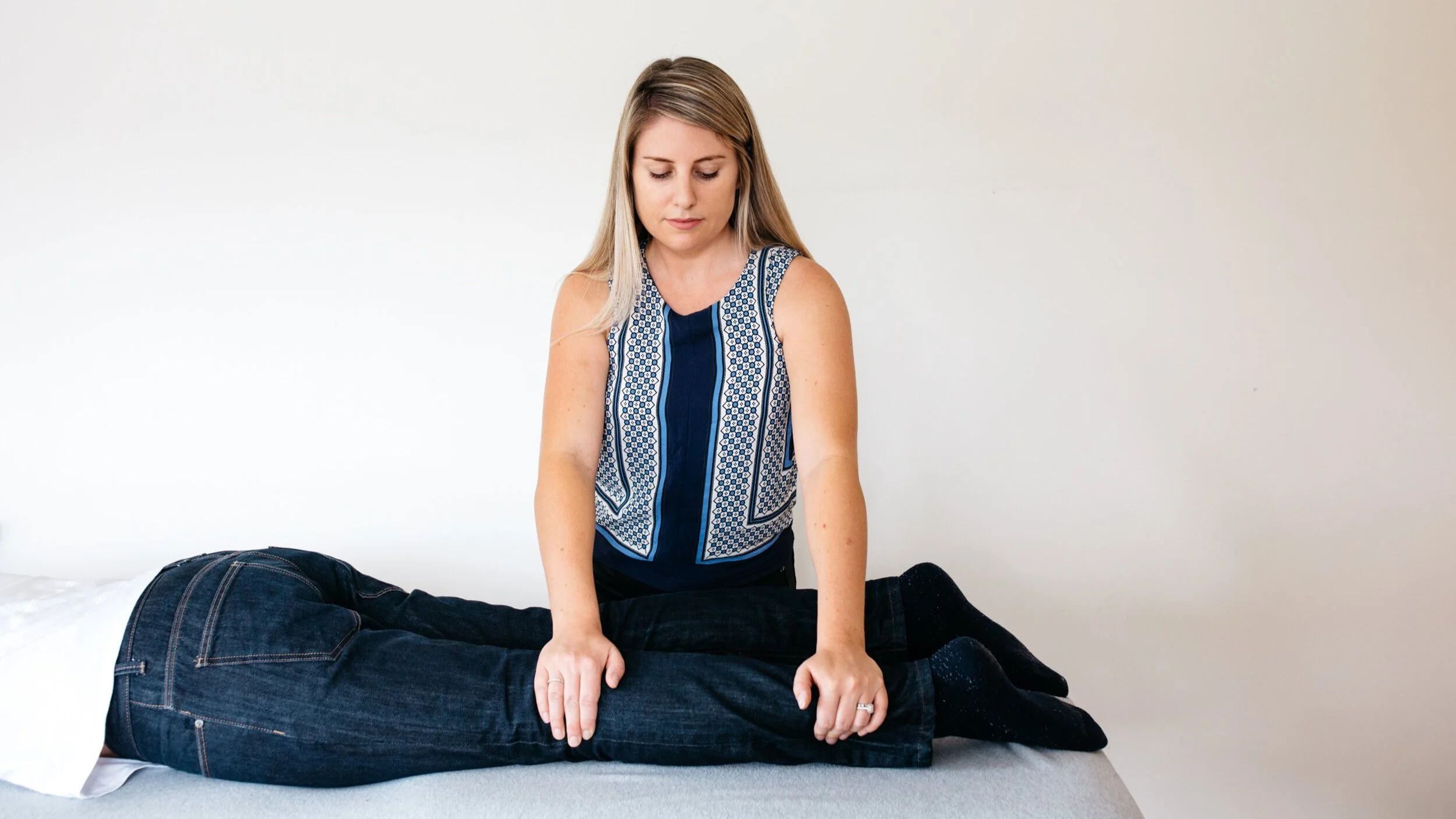
If knee pain is affecting your everyday activities, osteopathic assessment and treatment may help you understand your symptoms and manage musculoskeletal discomfort. I'm Sarah Boughtwood, a structural osteopath based in Milford on Auckland's North Shore, with over 10 years of clinical experience. I treat adults and children aged five years and older, helping patients manage musculoskeletal aches, pains and injuries. My approach is to understand not just where your knee hurts, but how that pain is affecting your everyday life. Perhaps you're struggling to walk downstairs, squat, get out of a chair, kneel in the garden or return to running.
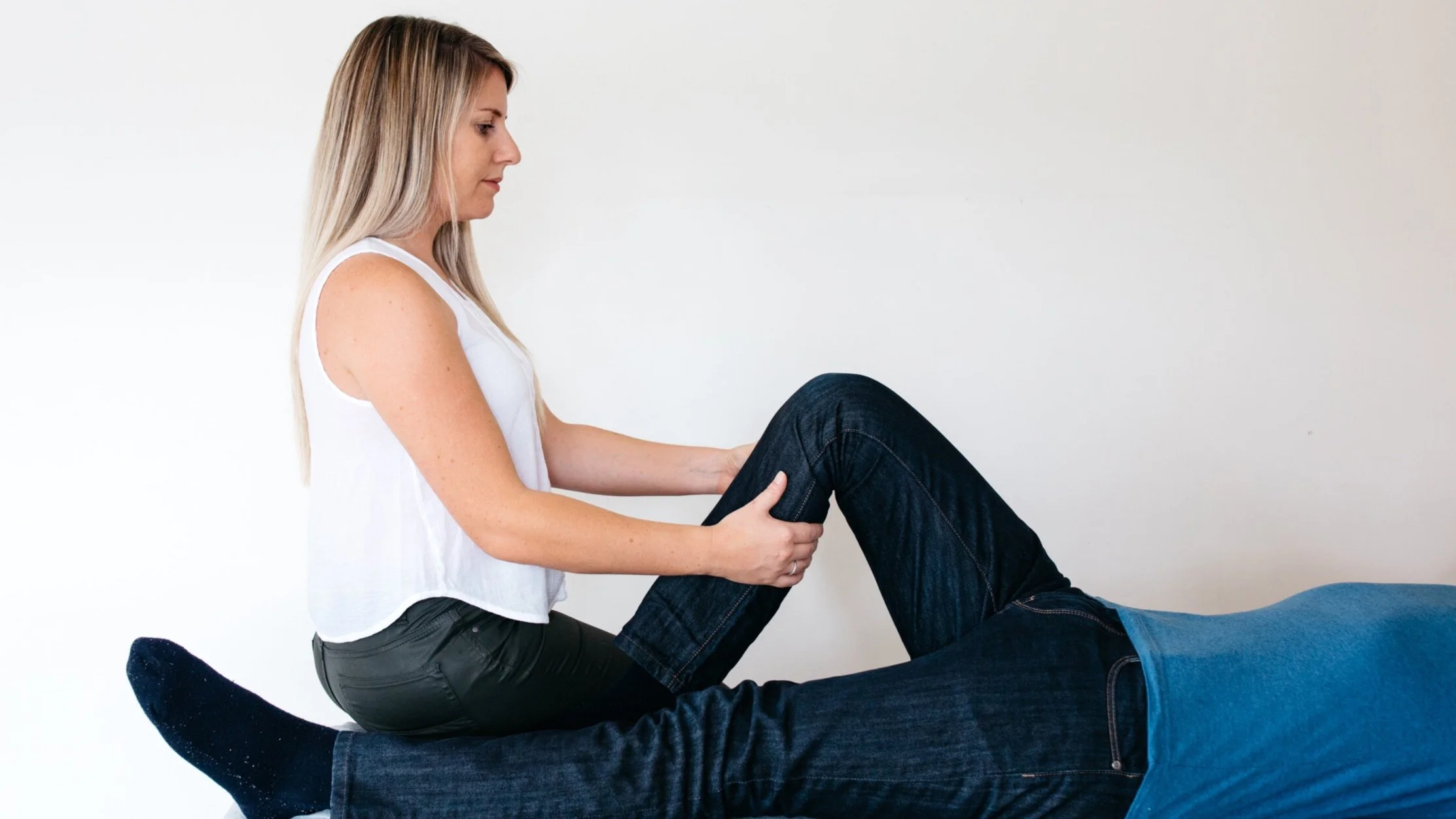
During your appointment, I'll take the time to understand how your symptoms developed, what movements aggravate them and whether further investigation is needed. I'll assess your knee and relevant surrounding areas, including your hip, ankle, muscle strength and movement where appropriate.
Depending on your symptoms and diagnosis, treatment may include:
Gentle soft tissue techniques to help manage associated muscle discomfort
Appropriate joint mobilisation where suitable
Individualised strengthening and mobility exercises
Advice on modifying activities that aggravate your knee
Guidance on walking, stairs, squatting and everyday movements
Practical strategies for returning to exercise or sport
Referral for imaging or further medical assessment when indicated
For many common knee conditions, progressive strengthening and appropriate activity management are central parts of recovery. Hands-on treatment may help manage short-term discomfort for some patients, but it doesn't replace exercise-based rehabilitation or repair significant structural injuries. My aim is to help you understand your knee pain, improve your movement and feel more confident returning to the activities you enjoy.
Book a Knee Pain Assessment with Sarah
When Should I Be Concerned About Knee Pain?
Many common causes of knee pain improve with appropriate management, but some symptoms require prompt medical assessment.
Seek urgent medical attention if you experience:
Severe pain following a significant injury
Inability to bear weight
A visibly deformed knee
Significant swelling developing rapidly after an injury
A hot, red, swollen knee accompanied by fever
A knee that is locked and cannot straighten
New numbness or changes in circulation below the knee
A swollen, painful calf may require urgent assessment to exclude a blood clot, particularly if swelling develops without a clear injury. Children with persistent knee pain, a limp or difficulty bearing weight should also be medically assessed.
Do I Need an X-ray, Ultrasound or MRI for Knee Pain?
Not everyone with knee pain needs imaging. For many common musculoskeletal conditions, your symptoms, medical history and physical examination can help guide treatment. However, imaging may be appropriate following significant trauma, if there are concerns about ligament or meniscus injuries, or if symptoms persist despite appropriate management. As an osteopath, I can assess whether imaging or referral to another healthcare professional may be appropriate.
Can I See an Osteopath for Knee Pain Under ACC?
Yes. If your knee pain is related to an injury that qualifies for ACC cover, you may be eligible for subsidised osteopathic treatment. For example, knee injuries following a fall, sporting accident or sudden ligament sprain may qualify. Not all knee pain is covered by ACC, particularly when symptoms develop gradually without a qualifying injury. I'm an ACC-registered osteopath, and you don't need a GP referral to book an appointment.
Don't Let Knee Pain Stop You From Doing What You Enjoy
Knee pain can affect so many everyday activities. Perhaps you're struggling to walk downstairs, get out of a chair, kneel in the garden or return to your usual exercise routine. It can be frustrating when movements that used to feel easy suddenly become uncomfortable. But knee pain doesn't automatically mean your joint is seriously damaged or that you need to stop being active. With an appropriate assessment and management plan, many common knee conditions can improve. If you're experiencing persistent knee pain, stiffness or discomfort when walking, squatting or exercising, I'd love to help you explore your treatment options. I'm Sarah, a structural osteopath based in Milford, Auckland, providing individualised care for adults and children aged five years and older. Let's work towards helping you move more comfortably and get back to the activities you enjoy.
Book an Osteopathy Appointment with Sarah
Sarah Boughtwood | BAppSc(HB), Master of Osteopathy | ACC Registered Osteopath | Milford, North Shore, Auckland
This article provides general information and doesn't replace individual medical assessment.