
Postpartum Tailbone Pain
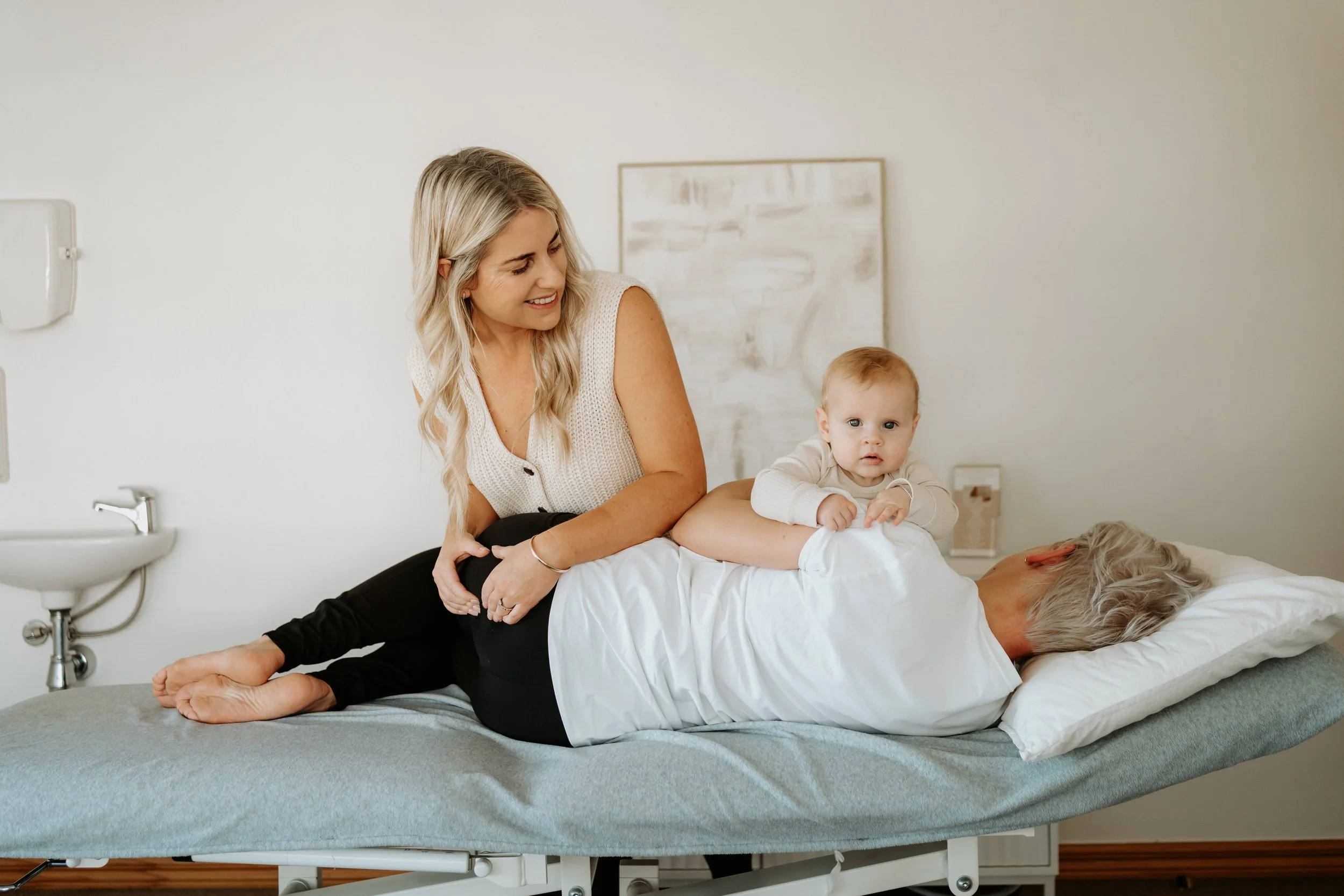
Tailbone pain after birth can make sitting and everyday life surprisingly uncomfortable
Your tailbone, or coccyx, sits at the very base of your spine and plays an important role when you sit and move between different positions.
After having a baby, it isn't unusual to notice soreness or tenderness around your tailbone, particularly after a vaginal birth. The physical demands of labour and birth can place strain on the tissues around the coccyx, and spending more time sitting to feed your baby can add further pressure to the area.
You may notice a dull ache, tenderness or sharper pain around your tailbone, particularly when sitting, getting up from a chair, bending forward or sitting for longer periods.
When sitting becomes uncomfortable
Tailbone pain can be particularly frustrating during those early months when so much of your day involves sitting.
Feeding your baby, settling them for a nap, sitting on the floor, driving or simply trying to relax on the sofa can all become uncomfortable.
You may find yourself constantly changing position or avoiding sitting for too long because you know your tailbone will start to ache.
And when you're already recovering from birth and adjusting to life with a newborn, having another source of pain can feel like a lot to deal with.
You're not expected to simply put up with it
Postpartum recovery takes time, but ongoing pain that is affecting how you sit, move, sleep or care for your baby is worth getting assessed.
Tailbone pain can sometimes improve with time, but if it continues or is interfering with your everyday activities, getting appropriate support can help you understand what may be contributing to your symptoms and what you can do to manage them.
How can osteopathic treatment help?
As a postpartum osteopath, Sarah will take the time to understand what you're experiencing, how your birth and recovery have been, and which movements or activities are aggravating your symptoms.
Your assessment will look at how your pelvis, lower back, hips and surrounding muscles and joints are moving and working together. Treatment is gentle and tailored to you and your stage of postpartum recovery.
Depending on your individual needs, treatment may include hands-on techniques, soft tissue work, joint mobilisation and practical advice to help you move and sit more comfortably.
The aim isn't simply to focus on where it hurts. It's to understand the bigger picture and help you feel more comfortable getting back to the things you need and want to do.
Small changes can make sitting more comfortable
If sitting is aggravating your tailbone, changing position regularly and avoiding long periods of sitting can help reduce pressure on the area. Sitting with your lower back supported or using an appropriate coccyx cushion may also make sitting more comfortable.
You may also find it more comfortable to feed or rest in different positions, including lying on your side when appropriate and comfortable for you.
If your pain is persistent, worsening or significantly affecting your daily activities, it's worth speaking with your healthcare professional so that you can be appropriately assessed.
Your baby is welcome at your appointment
Having a newborn shouldn't be a reason to put off looking after yourself.
Babies are very welcome at Sarah's postpartum appointments. You don't need to organise childcare or leave your baby at home. Bring them along and we can work around feeds, cuddles, settling and nappy changes.
Because sometimes looking after yourself means bringing your baby with you.
You don't have to push through postpartum pain
If sitting is painful, feeding your baby is uncomfortable or your tailbone is making everyday life harder than it needs to be, you don't have to simply put up with it.
Sarah provides warm, personalised postpartum osteopathic care in Milford, Auckland, helping mums feel more comfortable and supported as they recover from pregnancy and birth.