
Rib Pain in Pregnancy: Why It Happens & How Osteopathy May Help
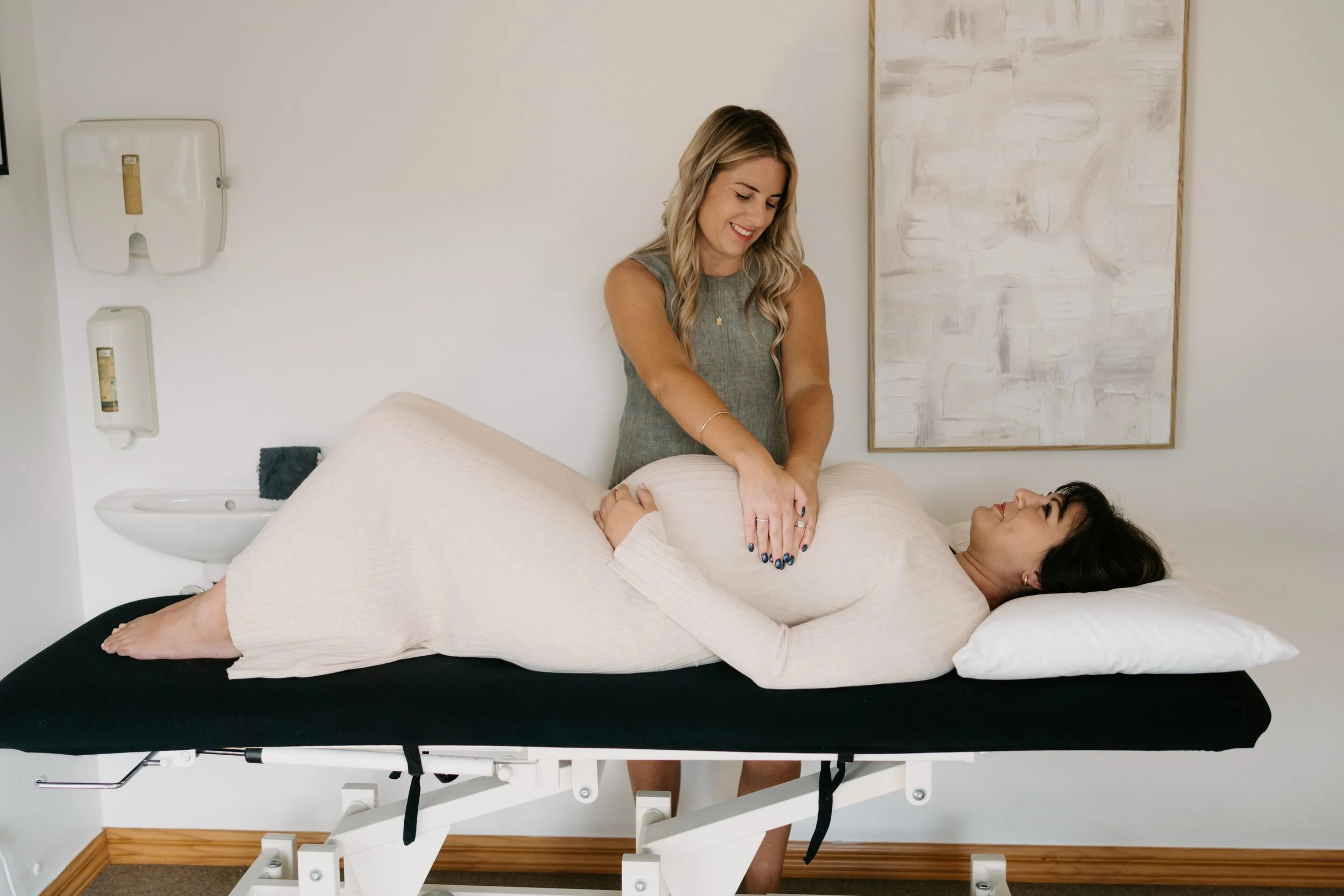
Sharp pain around your ribs? Can’t sit comfortably?
Rib pain in pregnancy can be surprisingly uncomfortable — and it can make everyday activities much harder than you might expect.
You may notice an ache or sharp pain around your ribs, under your breasts, around your sides or towards your back. It may be worse when sitting for long periods, taking a deep breath, reaching, twisting or trying to get comfortable in bed.
As your pregnancy progresses, your body has to make room for your growing baby. Your rib cage, spine, diaphragm, abdomen and surrounding muscles all adapt to these changes.
For some women, this can contribute to rib pain during pregnancy.
While rib pain is common, you don't necessarily have to simply put up with it because you're pregnant. A pregnancy osteopathic assessment can help identify what may be contributing to your discomfort and provide treatment tailored to your stage of pregnancy.
What does rib pain in pregnancy feel like?
Pregnancy rib pain can feel different from woman to woman.
You might experience:
Aching around your ribs
A sharp or stabbing pain
Pain underneath your breasts
Pain around the sides of your rib cage
Discomfort towards your mid or upper back
Tightness across your ribs
Pain when taking a deep breath
Pain when coughing, sneezing or laughing
Tenderness when sitting for long periods
Pain when twisting or reaching
Sometimes the discomfort is on one side, while other women experience it on both sides. You may also notice that your rib pain becomes more noticeable as your pregnancy progresses.
Why do ribs hurt during pregnancy?
There isn't always one single reason for rib pain in pregnancy. As your baby grows, your uterus expands upwards and can place increasing pressure on the structures around your abdomen and lower rib cage. Your posture also changes as your bump grows. Your spine, pelvis and rib cage all adapt to your changing centre of gravity. Your breathing mechanics change too. The diaphragm has less room to move downwards as your abdomen becomes more crowded, while your rib cage may gradually expand to accommodate these changes. Your muscles and joints are also working differently to support your changing body. All of this can contribute to increased tension, stiffness or discomfort around your ribs, thoracic spine and surrounding muscles.
Rib pain isn't just uncomfortable — it can affect everyday life
One of the frustrating things about pregnancy rib pain is that it can interfere with activities you normally wouldn't think twice about.
Sitting at your desk
If you work at a computer, sitting for several hours can make rib pain increasingly uncomfortable. You may find yourself constantly changing position, leaning back or getting up to stretch because your ribs feel tight or sore.
Driving
Being seated in the same position for an extended period can aggravate rib pain. You may notice discomfort while driving to work, school pick-up or appointments, particularly if you are already finding it difficult to get comfortable in the car.
Sleeping
Finding a comfortable sleeping position can become difficult when your ribs are sore. You may notice pain when lying on one side, rolling over or taking a deeper breath. And when you're already waking frequently during pregnancy, rib pain certainly doesn't make getting a good night's sleep any easier.
Turning over in bed
You may find that twisting through your upper body or rolling from one side to the other causes a sharp or uncomfortable sensation around your ribs.
Sitting on the sofa
You might settle down at the end of the day expecting to relax, only to find that sitting for a while makes your rib pain worse.
Reaching overhead
Putting something away in a cupboard, hanging washing, reaching for something on a high shelf or lifting your arms above your head can sometimes aggravate rib discomfort.
Getting dressed
Pulling clothing over your head, putting on a bra or twisting to get dressed can become uncomfortable when your rib cage is already sensitive.
Exercise
You may find that certain exercises that previously felt completely comfortable now cause rib pain or pressure. This doesn't necessarily mean you need to stop exercising altogether. It may simply mean that your body needs some modifications as your pregnancy progresses.
Looking after older children
Pregnancy doesn't stop you from having to get through the rest of your day. Picking up toys, helping children get dressed, preparing meals, lifting things or spending time sitting on the floor can all become more difficult when your ribs are sore.
Taking a deep breath
Some women notice that their ribs feel tight or uncomfortable when taking a deep breath. This can make you more aware of your breathing and can be particularly frustrating when you're trying to relax or exercise.
How can osteopathy help rib pain during pregnancy?
When you see me for rib pain in pregnancy, I don't just focus on the painful rib. I'll look at how your whole body is adapting to pregnancy and assess the areas that may be contributing to your symptoms.
This may include your:
Rib cage
Thoracic spine
Neck and shoulders
Upper and mid-back
Diaphragm and breathing mechanics
Chest and upper back muscles
Lower back and pelvis
Posture and movement patterns
I'll also ask about what you're struggling with in everyday life.
Are you unable to sit comfortably at work?
Is sleeping becoming difficult?
Does driving aggravate your pain?
Can you no longer exercise comfortably?
Are you struggling to get dressed or reach overhead?
These details help me understand how your symptoms are affecting you, rather than simply focusing on where it hurts.
What does treatment involve?
Treatment is tailored to your individual symptoms, stage of pregnancy and comfort.
Depending on what I find, treatment may include:
Gentle soft tissue techniques
Joint mobilisation
Articulation
Muscle stretching
Gentle techniques to the spine and rib cage
Advice around posture and movement
Exercise and activity modifications
The aim is to help improve movement, reduce areas of muscular and joint tension and make everyday activities more comfortable.
Pregnancy osteopathy isn't about forcing or "putting" your ribs back into place. It's about understanding how your body is moving and adapting and using appropriate treatment to support you through those changes.
What can you do at home for rib pain in pregnancy?
There are a few simple things that may help.
Change position regularly
If sitting makes your ribs uncomfortable, try not to stay in one position for too long. Get up, walk around and change your position regularly.
Support your body when sleeping
Pillows can be useful for supporting your bump, between your knees or behind your back. You may need to experiment to find a position that feels comfortable for your ribs.
Keep moving
Gentle movement can help prevent your upper back and rib cage from becoming increasingly stiff. Walking and pregnancy-appropriate exercise can be helpful, provided they feel comfortable for you.
Avoid repeatedly pushing through painful movements
If a particular exercise, stretch or position consistently aggravates your rib pain, modify it rather than repeatedly pushing through the discomfort.
Pay attention to your working position
If you're spending much of the day at a desk, make sure your chair, screen and desk are set up comfortably and take regular movement breaks.
When should you seek medical advice?
Although rib pain during pregnancy can have a musculoskeletal cause, it is important not to assume every rib or chest symptom is simply pregnancy-related.
Seek medical advice promptly if you have severe or sudden chest or rib pain, difficulty breathing, chest pressure, fainting, significant abdominal pain, fever, or pain associated with other concerning symptoms.
Pain under the ribs — particularly on the right side — can sometimes be associated with conditions that require medical assessment during pregnancy, especially when accompanied by symptoms such as severe headache, visual changes, sudden swelling or feeling very unwell.
If you're concerned about your symptoms, speak with your midwife, GP or maternity care provider.
You don't have to just put up with rib pain
Pregnancy changes your body in incredible ways, but common doesn't always mean you have to suffer through it.
If rib pain is making it difficult to sleep, work, drive, exercise, get dressed or simply get comfortable at the end of the day, it's worth getting some support.
As an osteopath with over 10 years of clinical experience and more than 8 years specialising in pregnancy and postpartum care, I understand that pregnancy care needs to work around real life.
I'll listen to what's bothering you, assess your body as a whole and tailor your treatment to your symptoms and stage of pregnancy.
If you're struggling with rib pain in pregnancy or other pregnancy aches and pains, you're welcome to book an appointment with me in Milford, Auckland.
You don't need to wait until the pain is significantly affecting your sleep or daily life before asking for help.
Book an appointment and let's work on helping you feel more comfortable throughout your pregnancy.