
Why Does Turning Over in Bed Hurt During Pregnancy?
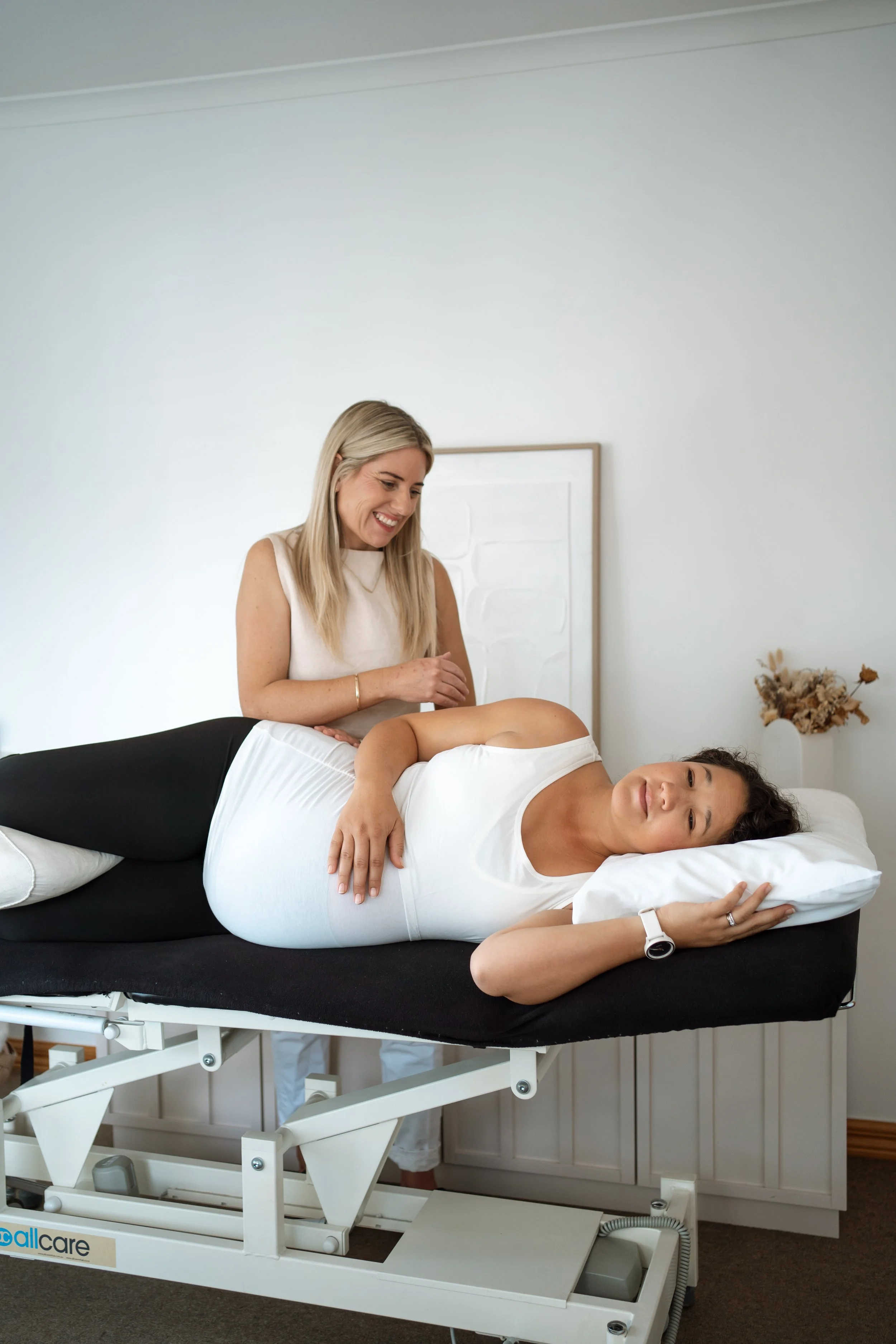
Does rolling over in bed suddenly feel like a major effort now that you're pregnant? Perhaps you're finally comfortable on one side, only to wake up needing to turn over. But as soon as you move, you feel a sharp pain through your pubic bone, an ache in your hips or a stabbing sensation in your lower back. Maybe you're having to move incredibly slowly, hold your bump for support or wake your partner because turning over has become so uncomfortable. And when you're already dealing with pregnancy fatigue, needing to reposition yourself throughout the night is the last thing you need. Pain when turning over in bed during pregnancy is common, but that doesn't mean you should have to put up with it. There are several reasons why rolling over can become uncomfortable, and some simple changes may help you move more comfortably and get a better night's sleep.
Why Does It Hurt to Turn Over in Bed During Pregnancy?
Rolling over in bed might seem like a simple movement, but it actually involves several parts of your body working together. Your pelvis, hips, lower back and abdominal muscles all help you move from one side to the other. During pregnancy, changes in your body can make this movement more uncomfortable.
1. Pregnancy-related pelvic girdle pain (PGP)
One of the most common reasons for pelvic pain when turning over in bed is pregnancy-related pelvic girdle pain. You may have heard this called symphysis pubis dysfunction (SPD) or sacroiliac joint (SIJ) pain. Your pelvis has three main joints: the pubic symphysis at the front and two sacroiliac joints at the back. When the joints and surrounding tissues become sensitive, movements such as rolling over, getting out of bed, walking and climbing stairs can become painful. You might experience a sharp pain at the front of your pelvis, discomfort through your groin or an aching sensation around your lower back and buttocks.
2. Your growing bump changes how you move
As your pregnancy progresses, your growing bump changes your centre of gravity and the way your body moves. Turning over in bed can require more effort from your abdominal, hip and back muscles. You may find yourself twisting awkwardly or moving your upper body and pelvis separately, which can aggravate already sensitive areas.
3. Hip pain during pregnancy
If you've noticed aching hips when sleeping on your side, you're certainly not alone. Spending prolonged periods lying on one hip can increase pressure on the tissues around the outside of your hip. When you roll over, those sore muscles and tendons may become uncomfortable.
You might notice:
Aching along the outside of your hip
Pain when lying directly on one side
Discomfort when moving your legs across the bed
Hip pain that wakes you during the night
Stiffness when getting up in the morning
4. Lower back and sacroiliac joint pain
Your lower back and sacroiliac joints help transfer forces between your spine and pelvis. During pregnancy, changes in posture, muscle function and everyday loading can contribute to discomfort in these areas. Rolling over may place additional demands on sensitive joints and muscles, particularly if you twist through your lower back while your pelvis remains relatively still. Importantly, pain doesn't necessarily mean your pelvis is unstable, out of alignment or damaged. Pregnancy-related pelvic pain is usually influenced by several factors, including changes in movement, tissue sensitivity and muscle function.
What Does Pregnancy Pain When Rolling Over Feel Like?
Every pregnancy is different, and pain when turning over can feel different from one woman to another.
You may experience:
Sharp pubic bone pain: A stabbing or pulling sensation at the front of your pelvis.
Groin pain: Discomfort through your inner thighs or between your legs.
Hip pain: An aching or burning sensation when lying on your side or changing position.
Lower back pain: Tightness, stiffness or sharp pain when twisting.
SIJ pain: Pain around one or both sides of your lower back or buttocks.
Abdominal discomfort: A pulling sensation through your lower abdomen as you move.
You may also notice clicking or grinding sensations around your pelvis, although these sounds don't necessarily indicate damage. And often, it's not just turning over in bed that hurts. You might also struggle with getting dressed, putting on shoes, getting in and out of the car, climbing stairs or walking longer distances. If this sounds familiar, your symptoms are worth getting assessed rather than simply accepting them as part of pregnancy.
How Can I Turn Over in Bed More Comfortably During Pregnancy?
If rolling over in bed is painful, changing the way you move may help. One technique I often suggest trying is to move through an all-fours position rather than twisting directly from one side to the other.
Try this step-by-step technique
Start lying on your side. Place a pillow between your knees if this feels comfortable.
Keep your knees relatively close together. This may help reduce uncomfortable movements through your pelvis.
Use your arms for support. Slowly move towards a hands-and-knees position, bringing your body around as one unit.
Pause on all fours. Take a moment to settle and make sure you're comfortable.
Lower yourself onto your opposite side. Move slowly and use your arms to support your body.
Reposition your pillows. Make sure your bump, hips and legs feel supported before settling back to sleep.
This approach may feel more comfortable for some women with SPD or pelvic girdle pain because it can reduce the amount of twisting through the pelvis. However, it's not suitable or comfortable for everyone. If moving onto all fours increases your pain, causes dizziness or feels difficult, don't force it. You may find it easier to roll with your shoulders, hips and knees moving together, using your arms for support. The goal isn't to turn over in one perfect way. It's to find a movement that feels comfortable for your body.
5 More Tips to Help Pregnancy Hip, Pelvic and Back Pain at Night
1. Sleep with a pillow between your knees
Placing a pillow between your knees, and ideally supporting your ankles as well, may help reduce strain through your hips and pelvis. A pregnancy pillow can be useful, but you don't necessarily need anything expensive. Ordinary pillows can work just as well.
2. Support your growing bump
A small pillow or folded towel underneath your bump may help you feel more supported when lying on your side. Experiment with the position until you find what feels comfortable.
3. Change positions before your pain builds up
If you've been lying on one side for a long time, your hip may become sore or stiff. Try changing position before the discomfort becomes severe, rather than waiting until you're struggling to move.
4. Consider your mattress and pillow support
A mattress that feels too firm or too soft may contribute to discomfort. You might find that a supportive mattress topper or adjusting your pillows helps reduce pressure around your hips and lower back.
5. Address aches and pains during the day
Sometimes your nighttime pain is influenced by what you've been doing throughout the day. Long periods of sitting, walking, standing, lifting or chasing after toddlers can leave your hips, pelvis and lower back feeling uncomfortable by bedtime. Regular movement breaks, pacing your activities and appropriate strengthening exercises may help manage these symptoms.
Is It Normal to Have Pelvic Pain When Turning Over in Bed During Pregnancy?
Pelvic girdle pain is relatively common during pregnancy, and pain when turning over in bed is one of its recognised symptoms. However, common doesn't mean you should have to suffer through it. If you're waking several times a night because of pain, struggling to get out of bed in the morning or avoiding movement because you're worried it will hurt, it's worth seeking help. You don't need to wait until you're in severe pain before having your symptoms assessed. And while some pregnancy-related aches are expected, severe or unusual pain should never automatically be assumed to be musculoskeletal. If pain is accompanied by vaginal bleeding, fluid leakage, fever, regular contractions, severe abdominal pain or reduced baby movements, contact your maternity care provider urgently.
How Can Osteopathic Treatment Help Pregnancy Pain When Turning Over in Bed?
If turning over in bed is becoming uncomfortable, osteopathic treatment may help you manage the musculoskeletal factors contributing to your pain.
I'm Sarah Boughtwood, a structural osteopath based in Milford on Auckland's North Shore, with over 10 years of clinical experience and more than eight years focusing on pregnancy and postpartum care.
My approach is to understand not just where you're sore, but how your symptoms are affecting your everyday life. Perhaps you're waking every time you need to turn over, struggling to get comfortable on your side or starting each morning feeling stiff and exhausted. During your appointment, I'll take the time to understand your symptoms and assess your pelvis, hips, lower back and surrounding muscles.
Depending on your individual needs, treatment may include:
Gentle soft tissue techniques to address muscle tension and discomfort
Appropriate joint mobilisation to help improve comfortable movement
Advice on sleeping positions and ways to turn over in bed
Individualised exercises to support your hips, pelvis and lower back
Practical strategies for managing pain when walking, getting dressed and getting in and out of the car
Treatment is adapted to your stage of pregnancy, symptoms and comfort. While osteopathic treatment cannot guarantee that your pain will disappear or that you'll sleep through the night, the aim is to help reduce discomfort, improve movement and make everyday activities easier.
When Should I See an Osteopath for Pregnancy Pelvic Pain?
You don't need to wait until your symptoms are severe. Whether you're in your first trimester and noticing occasional discomfort, or you're further along and struggling to roll over without pain, it's worth getting advice. And if you've experienced SPD, pelvic girdle pain or pregnancy hip pain before, seeking help early may give you useful strategies for managing symptoms this time around. Your pregnancy shouldn't have to revolve around avoiding movements that hurt.
You Deserve a More Comfortable Night's Sleep
Pregnancy can be exhausting enough without pelvic, hip or lower back pain waking you every time you need to turn over. Whether you're experiencing sharp pubic bone pain, aching hips, sacroiliac joint discomfort or lower back stiffness, there may be ways to help you move more comfortably. You deserve to feel heard, supported and comfortable throughout your pregnancy. If rolling over in bed, sleeping, walking or getting dressed is becoming painful, I'd love to help.
I'm Sarah, a pregnancy and postpartum osteopath in Milford, Auckland, providing individualised care to help you manage the physical demands of pregnancy.
Don't wait until you're struggling through every night. Book an appointment and let's work towards making your pregnancy more comfortable.
Book an Appointment with Sarah
Sarah Boughtwood | Master of Osteopathy | Pregnancy & Postpartum Osteopath | Milford, North Shore, Auckland
This article provides general information and doesn't replace individual medical assessment.