Why Does Getting Dressed Hurt During Pregnancy?
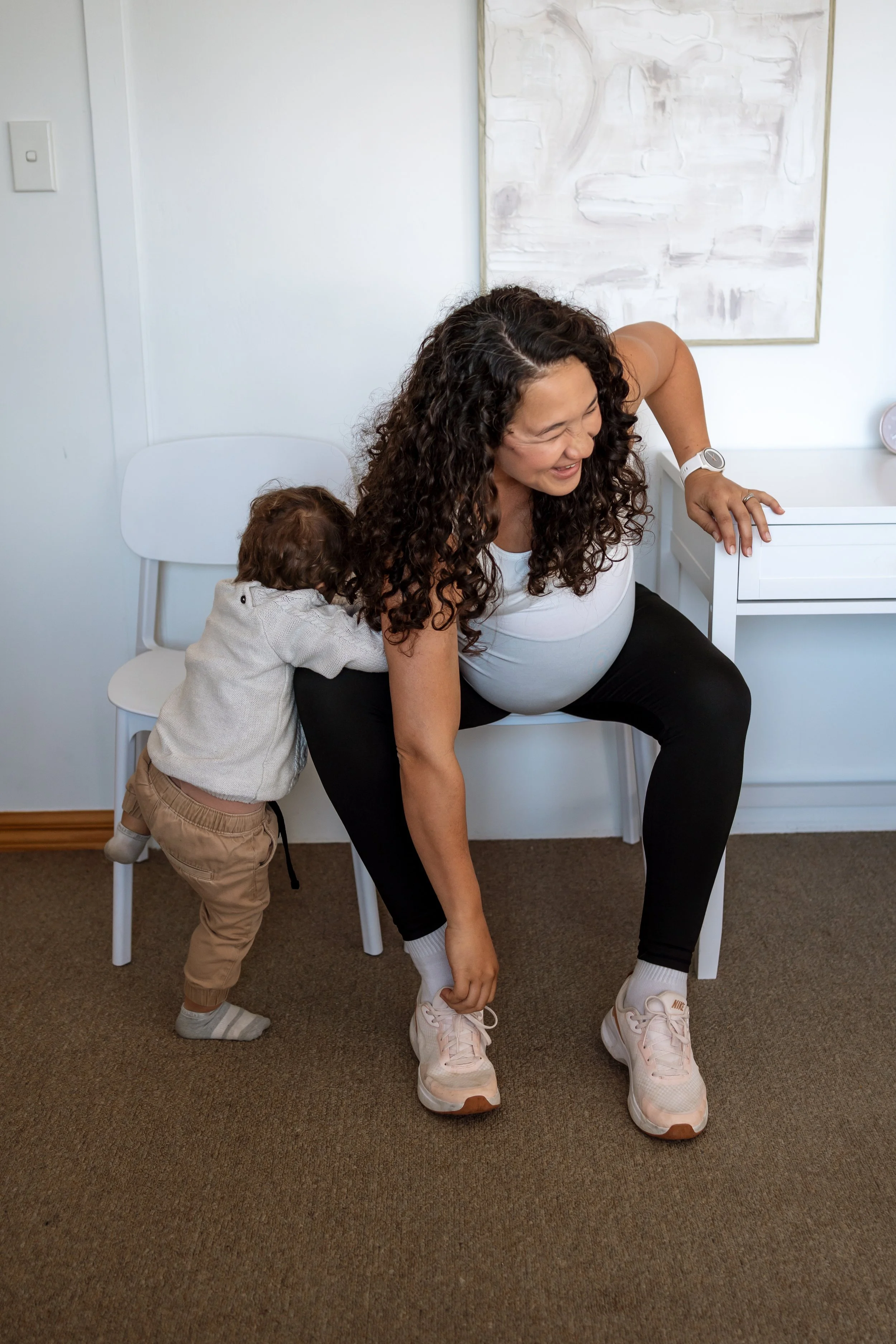
Has something as simple as putting on your pants suddenly become painful now that you're pregnant? Perhaps you're standing on one leg trying to pull your underwear on when you feel a sharp pain through your pubic bone. Maybe bending forward to put your socks on causes an uncomfortable pulling sensation through your lower back, or lifting your leg into your pants sends a shooting pain through your hip or groin. You might even find yourself sitting on the edge of the bed every morning, trying to work out the least painful way to get dressed.
Sound familiar?
Getting dressed shouldn't have to be one of the hardest parts of your day just because you're pregnant. Although aches and pains are common during pregnancy, struggling with simple everyday activities is a good reason to seek advice. Let's look at why getting dressed can become uncomfortable, what might be contributing to your pain and some practical ways to make your mornings easier.
Why Does It Hurt to Put Pants On During Pregnancy?
One of the most common reasons getting dressed becomes painful during pregnancy is pregnancy-related pelvic girdle pain (PGP). You may also have heard this called symphysis pubis dysfunction (SPD) or sacroiliac joint (SIJ) pain. Your pelvis connects your spine to your legs and plays an important role in supporting your body when standing, walking and moving. When you get dressed, you often need to balance on one leg while lifting the other into your pants, underwear or shorts. Although this seems like a simple movement, it requires your pelvis, hips, lower back and surrounding muscles to work together. During pregnancy, changes in your centre of gravity, muscle function and the demands on your pelvic joints can make this movement uncomfortable. Standing on one leg is a particularly common trigger for pregnancy-related pelvic girdle pain. You might notice that lifting your right leg hurts more than your left, or that you can walk reasonably comfortably but experience sharp pain when trying to put on your underwear. This doesn't necessarily mean your pelvis is unstable or out of alignment. Pregnancy-related pelvic pain is often influenced by a combination of tissue sensitivity, muscle function and changes in movement.
Where Might You Feel Pain When Getting Dressed?
Not every pregnant woman experiences the same type of pain. The location and nature of your discomfort can provide useful clues about what might be contributing to your symptoms.
Pubic bone pain when putting on pants
Do you feel a sharp, stabbing or pulling pain at the front of your pelvis when lifting one leg? This may be associated with symphysis pubis dysfunction (SPD), a form of pregnancy-related pelvic girdle pain. The pubic symphysis is the joint at the front of your pelvis. Movements that involve standing on one leg, separating your legs or transferring your weight from side to side can aggravate this area.
You might also notice pubic bone pain when:
Rolling over in bed
Getting in and out of the car
Walking or taking longer steps
Climbing stairs
Getting out of bed
Hip pain when lifting your leg
If lifting your leg into your pants or bending to put on your shoes causes pain around your hip, the surrounding muscles, tendons or joints may be contributing. You might experience aching around the outside of your hip, discomfort through your groin or pain towards your buttocks. Pregnancy-related changes in posture, muscle loading and movement can all contribute to hip discomfort.
Lower back pain when bending to put on socks
As your bump grows, bending forward to reach your feet can become increasingly awkward. You may find yourself rounding your lower back, twisting or reaching further than feels comfortable. If your lower back is already sensitive, these movements can aggravate symptoms. You might also notice discomfort when picking things up from the floor, getting out of bed or standing after sitting for a long time.
Sacroiliac joint pain when standing on one leg
Your sacroiliac joints (SIJs) are located at the back of your pelvis, where your spine connects to your pelvic bones. If you're experiencing SIJ pain during pregnancy, balancing on one leg while getting dressed may trigger discomfort around your lower back or buttocks. Some women describe a sharp pain on one side, while others notice a deep ache that becomes worse with certain movements.
Groin or inner thigh pain
Pain through your groin or inner thighs can also make lifting your legs and getting dressed uncomfortable. This may be related to pelvic girdle pain, changes in muscle loading or other hip and pelvic conditions. Because several structures can cause pain in similar areas, an individual assessment is important.
6 Simple Tips to Make Getting Dressed Easier During Pregnancy
If getting dressed has become uncomfortable, a few small changes may help reduce the demands on your pelvis, hips and lower back.
1. Sit down to put on your underwear and pants
Rather than balancing on one leg, sit on the edge of your bed or a sturdy chair. Bring one leg into your clothing at a time, then stand up to pull everything into place. This can help reduce the amount of single-leg balancing your pelvis needs to manage.
2. Avoid standing on one leg for too long
If you're experiencing SPD or pelvic girdle pain, prolonged single-leg standing may aggravate your symptoms. Try to keep your weight evenly distributed when possible, and use a stable surface for support when needed.
3. Keep your movements small and comfortable
You don't need to force your legs apart or lift them higher than feels comfortable. Move slowly and avoid sudden twisting movements that trigger sharp pain.
4. Try a long-handled shoehorn
As your bump grows, reaching your feet becomes more difficult. A long-handled shoehorn or slip-on shoes can make getting ready easier without repeatedly bending forward.
5. Choose clothing that's easy to put on
Loose-fitting pants, stretchy waistbands and comfortable shoes can make a surprising difference. You may find it easier to dress while sitting rather than trying to manoeuvre into tight clothing while standing.
6. Get your pain assessed rather than working around it every day
Modifying how you get dressed can help, but if you're regularly experiencing sharp pelvic, hip or back pain, it's worth finding out why. You don't need to wait until your pain is severe before seeking help.
Is It Normal for Getting Dressed to Hurt During Pregnancy?
Pregnancy-related pelvic girdle pain is common, affecting approximately one in five pregnant women. However, common doesn't mean you should have to accept pain every time you put your pants on. Mild discomfort may settle with changes to your activities, but persistent or worsening pain deserves attention. If getting dressed has become difficult, there's a good chance other everyday movements may be uncomfortable too. Perhaps you're struggling to climb stairs, rolling over in bed wakes you at night, or walking around the supermarket leaves your pelvis aching. These are all useful details to discuss during an assessment. If your pain is severe, sudden or associated with vaginal bleeding, fever, contractions, fluid leakage, significant abdominal pain or reduced baby movements, contact your midwife or maternity care provider urgently.
How Can Osteopathic Treatment Help Pain When Getting Dressed During Pregnancy?
When you're pregnant, it's easy to focus on everything your body is doing to grow your baby. But your comfort matters too.
I'm Sarah Boughtwood, a structural osteopath based in Milford on Auckland's North Shore, with over 10 years of clinical experience and more than eight years focusing on pregnancy and postpartum care. My approach is to understand not just where you're experiencing pain, but what that pain is stopping you from doing. Perhaps it's putting on your underwear without sharp pubic bone pain, bending to put your socks on, walking comfortably to work or turning over in bed without waking up. During your appointment, I'll take the time to listen to your symptoms and assess your pelvis, hips, lower back and surrounding muscles.
Depending on your individual needs, treatment may include:
Gentle soft tissue techniques to help manage muscle tension and discomfort
Appropriate joint mobilisation to improve comfortable movement
Advice on how to modify painful everyday activities
Individualised exercises to support your pelvis, hips and lower back
Practical strategies for managing pregnancy-related pelvic girdle pain as your body changes
Treatment is adapted to your stage of pregnancy, symptoms and comfort levels. While osteopathic treatment cannot guarantee that your pain will disappear, the aim is to help reduce discomfort, improve mobility and make everyday activities easier.
Should I Wait Until My Pregnancy Pain Gets Worse Before Booking?
No, you don't need to wait until getting dressed, walking or sleeping becomes extremely painful. Whether you're in your first trimester and noticing occasional discomfort or further along in pregnancy and struggling with everyday movements, getting advice early can be helpful. And if you've experienced SPD, pelvic girdle pain or hip pain in a previous pregnancy, you don't need to wait for the same symptoms to become severe again. The earlier you understand what's contributing to your discomfort, the sooner you can begin making changes to help manage it.
Getting Dressed Shouldn't Be the Hardest Part of Your Morning
Pregnancy can bring plenty of unexpected changes, but struggling to put your underwear, pants, socks or shoes on shouldn't be something you simply accept. Whether you're experiencing pubic bone pain, SPD, hip pain, sacroiliac joint discomfort or lower back pain, there may be ways to make your everyday movements more comfortable. You deserve to feel comfortable, supported and able to get on with your day. If getting dressed, walking, climbing stairs or rolling over in bed is becoming painful, I'd love to help.
I'm Sarah, a pregnancy and postpartum osteopath in Milford, Auckland, providing individualised care throughout pregnancy.
Don't put up with pain just because you're pregnant.
Book an Appointment with Sarah
Sarah Boughtwood | Master of Osteopathy | Pregnancy & Postpartum Osteopath | Milford, North Shore, Auckland
This article provides general information and doesn't replace individual medical assessment.