
Why Does My Pelvis Hurt When Walking During Pregnancy?
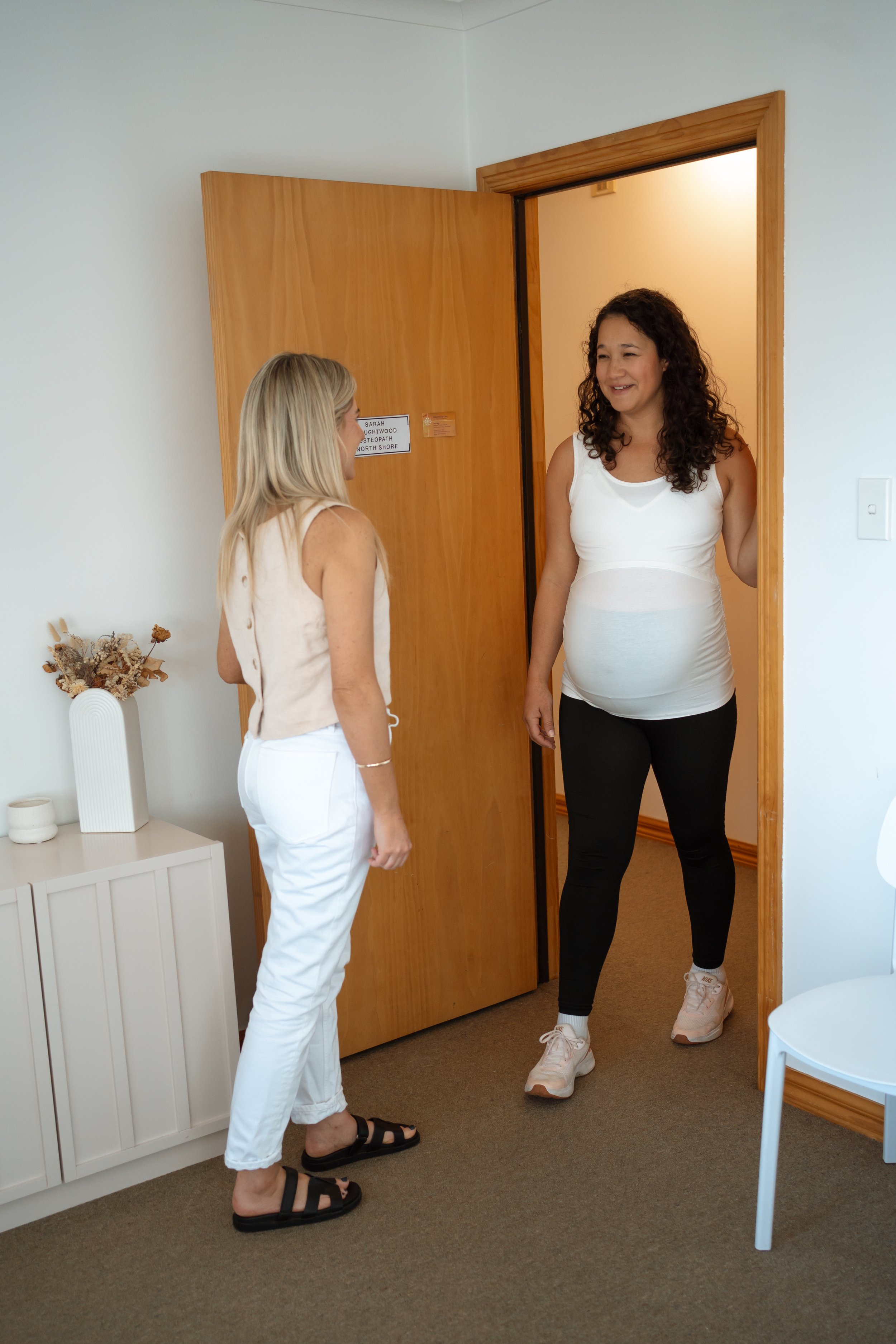
Does walking suddenly feel uncomfortable now that you're pregnant?
Perhaps you've noticed a sharp pain in your pubic bone when taking a step, an aching sensation through your hips after a short walk, or a stabbing pain in your pelvis when trying to keep up with your toddler. Maybe walking around the supermarket has become uncomfortable, you're struggling to walk the dog, or you've started avoiding your usual walks because you know you'll be sore afterwards. Pelvic pain when walking during pregnancy is common, but that doesn't mean you should have to put up with it. Pregnancy places changing demands on your muscles, joints and ligaments, and sometimes your pelvis needs a little extra support to keep you moving comfortably. The good news? There are ways to help manage pregnancy-related pelvic pain, and you don't necessarily have to stop doing the activities you enjoy.
Why Does My Pelvis Hurt When I Walk During Pregnancy?
One of the most common causes of pelvic pain when walking during pregnancy is pregnancy-related pelvic girdle pain (PGP). You may have also heard this referred to as symphysis pubis dysfunction (SPD) or sacroiliac joint (SIJ) pain.
Your pelvis has three main joints:
Pubic symphysis: The joint at the front of your pelvis, around your pubic bone.
Sacroiliac joints (SIJs): The two joints at the back of your pelvis, where your spine connects to your pelvic bones.
During pregnancy, several changes can contribute to discomfort:
1. Hormonal changes
Pregnancy hormones influence your ligaments and connective tissues. These changes are normal, but alongside other factors, they can affect how your pelvis manages everyday movement.
2. Your growing bump
As your baby grows, your centre of gravity changes. Your back, hips, pelvis and surrounding muscles adapt to the additional demands.
3. Changes in muscle function
Your abdominal, gluteal, pelvic floor and lower back muscles all work together to support your pelvis. During pregnancy, these muscles may work differently, and some can become sore or fatigued.
4. The repetitive movement of walking
Every step involves transferring your body weight from one leg to the other. If your pelvic joints or surrounding tissues are sensitive, this repeated movement can become uncomfortable.
It's important to remember that pelvic pain doesn't automatically mean your pelvis is unstable, out of alignment or damaged. Pain can develop from a combination of changes in movement, muscle function and tissue sensitivity.
What Does Pregnancy Pelvic Pain Feel Like?
Not everyone experiences pelvic girdle pain in the same way.
Some pregnant women notice a dull ache after walking, while others experience sharp, stabbing or shooting pain with individual steps.
You might experience:
Sharp pain around your pubic bone when walking
Aching or burning pain through one or both hips
Pain in your groin or inner thighs
Lower back or sacroiliac joint pain
A clicking or grinding sensation around your pelvis
Pain that becomes worse the longer you walk
Difficulty taking longer strides
Pain when standing on one leg
A feeling that you need to walk slowly or take smaller steps
Sound familiar?
You might also notice that your pelvic pain isn't limited to walking. Getting dressed, climbing stairs, turning over in bed and getting in and out of the car can become uncomfortable too.
Why Does My Pelvic Pain Get Worse the Longer I Walk?
Perhaps you start your walk feeling relatively comfortable, but after 10 or 15 minutes, your pelvis begins to ache. Or maybe you can walk around the house without too much trouble, but a trip to the supermarket leaves you sore for the rest of the afternoon. Walking involves repeated movement through your hips, pelvis and lower back. As your muscles become fatigued, or sensitive tissues are repeatedly loaded, your symptoms may increase. You may also find that walking uphill, taking large steps, walking quickly or pushing a pram makes your pain worse. This doesn't necessarily mean you need to stop walking altogether. You may simply need to change how far, how quickly or how often you're walking while your symptoms settle.
Is Pelvic Pain When Walking Normal During Pregnancy?
Pelvic girdle pain affects approximately one in five pregnant women. It can begin in the first, second or third trimester, and it doesn't necessarily mean your symptoms will continue to worsen as your pregnancy progresses. Although pregnancy-related pelvic pain is common, pain that interferes with walking, sleeping or everyday activities deserves attention. You shouldn't have to accept struggling through the supermarket, avoiding walks with your family or finding it painful to get dressed simply because you're pregnant. Early assessment and appropriate management can help reduce discomfort and improve your ability to manage daily activities.
6 Simple Tips to Help Pelvic Pain When Walking During Pregnancy
If walking is becoming uncomfortable, a few small changes may help.
1. Take smaller steps
Long strides can increase the demands on your pelvic joints and surrounding muscles. Try shortening your stride, slowing your pace and walking at a comfortable speed.
2. Break your walks into shorter sessions
Instead of one long walk that leaves you sore, try several shorter walks throughout the day. For example, two comfortable 10-minute walks may be more manageable than one 30-minute walk. Let your symptoms guide you, including how you feel later that day and the following morning.
3. Wear supportive footwear
Comfortable, supportive shoes can help you feel more stable when walking. You may find that flat, supportive trainers are more comfortable than unsupportive sandals or high heels.
4. Avoid pushing through increasing pain
Movement is important during pregnancy, but you don't need to force yourself through worsening pelvic pain. If your symptoms increase, take a break, reduce your walking distance or change activities temporarily.
5. Make everyday activities easier
Sometimes it's not just your daily walk that's contributing to discomfort. Try sitting down when putting on your pants, socks and shoes, taking the stairs one step at a time, and avoiding carrying heavy bags on one side. Small changes can reduce the repeated demands on your pelvis throughout the day.
6. Get your pelvic pain assessed
If your pelvic pain keeps returning, is getting worse or is limiting your activities, don't wait until you're struggling to walk. A pregnancy-trained healthcare professional can assess your symptoms, identify contributing factors and recommend appropriate treatment and exercises.
How Can Osteopathic Treatment Help Pelvic Pain During Pregnancy?
If you're struggling with pelvic pain when walking during pregnancy, osteopathic treatment may be one part of helping you feel more comfortable.
I'm Sarah Boughtwood, a structural osteopath based in Milford, Auckland, with over 10 years of clinical experience and more than eight years focusing on pregnancy and postpartum care.
My approach is to understand not only where you're experiencing pain, but how that pain is affecting your everyday life.
Perhaps you want to continue your morning walks, get through a working day without aching, comfortably walk your older child to school or simply move around your home without sharp pelvic pain.
During your appointment, I'll take the time to understand your symptoms, assess how your pelvis, hips and lower back are moving, and consider what may be contributing to your discomfort.
Depending on your assessment, treatment may include:
Gentle soft tissue techniques to address muscle tension and discomfort
Appropriate joint mobilisation to help improve comfortable movement
Advice on walking, sleeping, sitting and everyday activities
Individualised exercises to support your hips, pelvis and surrounding muscles
Practical strategies to help you manage pelvic pain as your pregnancy progresses
Treatment is tailored to your stage of pregnancy, symptoms and comfort levels.
While no treatment can guarantee that pregnancy pelvic pain will disappear, the aim is to help reduce discomfort, improve mobility and make everyday activities easier to manage.
Do I Have to Wait Until My Pelvic Pain Is Severe Before Seeing an Osteopath?
Absolutely not. You don't need to wait until you're limping, struggling to climb stairs or avoiding activities you love before seeking help. In fact, getting advice when symptoms first develop may make them easier to manage. Whether you're in your first trimester and noticing occasional pubic bone pain, or in your third trimester and finding walking increasingly uncomfortable, it's worth getting your symptoms assessed. And if you've experienced SPD or pelvic girdle pain in a previous pregnancy, you don't need to wait for it to become severe again before seeking advice.
When Should I Speak to My Midwife or Doctor?
Not all pelvic pain during pregnancy is musculoskeletal. Let your midwife or doctor know if pelvic pain is persistent, worsening or making it difficult to move around. Seek urgent maternity or medical assessment if pelvic pain is accompanied by vaginal bleeding, fluid leakage, fever, painful urination, regular contractions, severe abdominal pain or reduced baby movements. These symptoms need medical assessment rather than osteopathic treatment alone.
You Deserve to Walk Comfortably During Pregnancy
Pregnancy brings plenty of changes, but struggling with pain every time you take a step doesn't have to be something you simply accept. Whether you're experiencing pubic bone pain, SPD, sacroiliac joint pain, hip pain or general pelvic discomfort when walking, there may be ways to make everyday movement more comfortable. You deserve to enjoy your pregnancy, keep moving and feel supported along the way. If pelvic pain is making walking, climbing stairs, getting dressed or sleeping uncomfortable, I'd love to help.
I'm Sarah, a pregnancy and postpartum osteopath in Milford on Auckland's North Shore, providing individualised care throughout pregnancy.
Book an appointment and let's work towards making your everyday movements more comfortable.
Book an appointment with Sarah
Sarah Boughtwood | Master of Osteopathy | Pregnancy & Postpartum Osteopath | Milford, North Shore, Auckland
This article provides general information and doesn't replace individual medical assessment.